


About
For Teachers
- 4 Paper Cups Falling45.jpg
- 4 Paper Cups Falling44.jpg
- 4 Paper Cups Falling43.jpg
- 4 Paper Cups Falling42.jpg
- 4 Paper Cups Falling41.jpg
- 4 Paper Cups Falling40.jpg
- 4 Paper Cups Falling39.jpg
- 4 Paper Cups Falling38.jpg
- 4 Paper Cups Falling37.jpg
- 4 Paper Cups Falling36.jpg
- 4 Paper Cups Falling35.jpg
- 4 Paper Cups Falling34.jpg
- 4 Paper Cups Falling33.jpg
- 4 Paper Cups Falling32.jpg
- 4 Paper Cups Falling31.jpg
- 4 Paper Cups Falling30.jpg
- 4 Paper Cups Falling29.jpg
- 4 Paper Cups Falling28.jpg
- 4 Paper Cups Falling27.jpg
- 4 Paper Cups Falling26.jpg
- 4 Paper Cups Falling25.jpg
- 4 Paper Cups Falling24.jpg
- 4 Paper Cups Falling23.jpg
- 4 Paper Cups Falling22.jpg
- 4 Paper Cups Falling21.jpg
- 4 Paper Cups Falling20.jpg
- 4 Paper Cups Falling19.jpg
- 4 Paper Cups Falling18.jpg
- 4 Paper Cups Falling17.jpg
- 4 Paper Cups Falling16.jpg
- 4 Paper Cups Falling15.jpg
- 4 Paper Cups Falling14.jpg
- 4 Paper Cups Falling13.jpg
- 4 Paper Cups Falling12.jpg
- 4 Paper Cups Falling11.jpg
- 4 Paper Cups Falling10.jpg
- 4 Paper Cups Falling09.jpg
- 4 Paper Cups Falling08.jpg
- 4 Paper Cups Falling07.jpg
- 4 Paper Cups Falling06.jpg
- 4 Paper Cups Falling05.jpg
- 4 Paper Cups Falling04.jpg
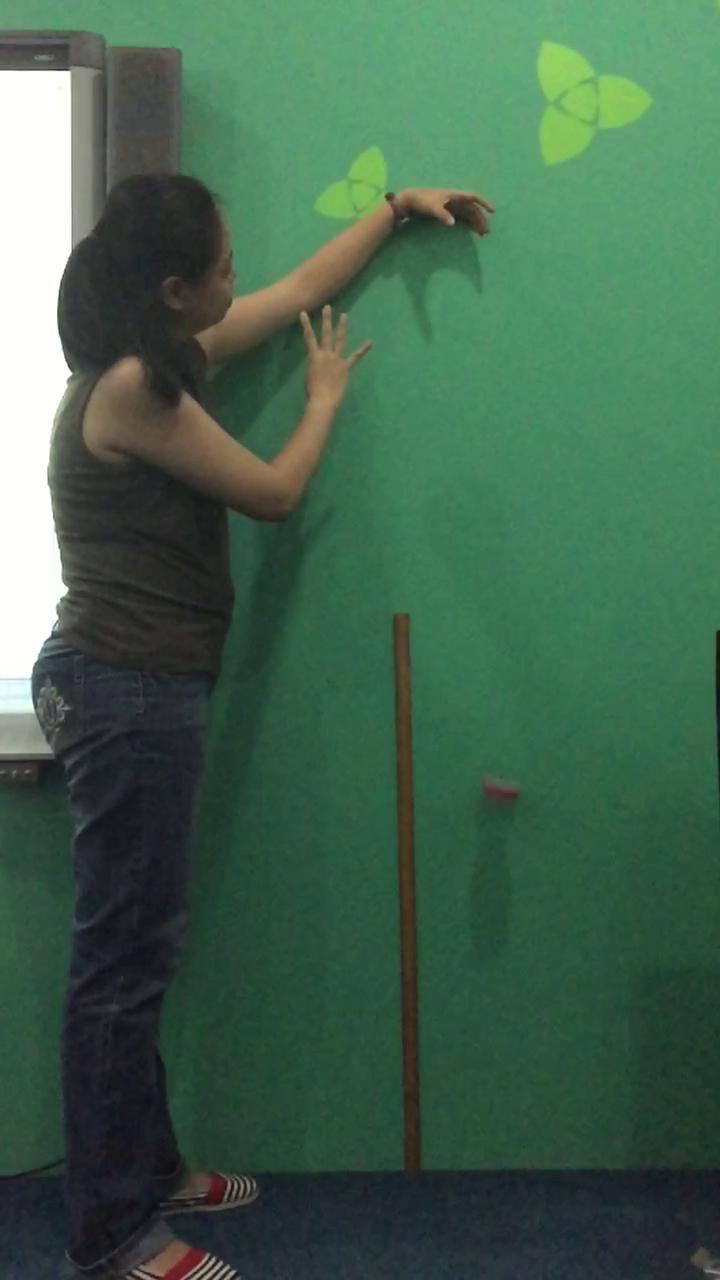
- 4 Paper Cups Falling03.jpg
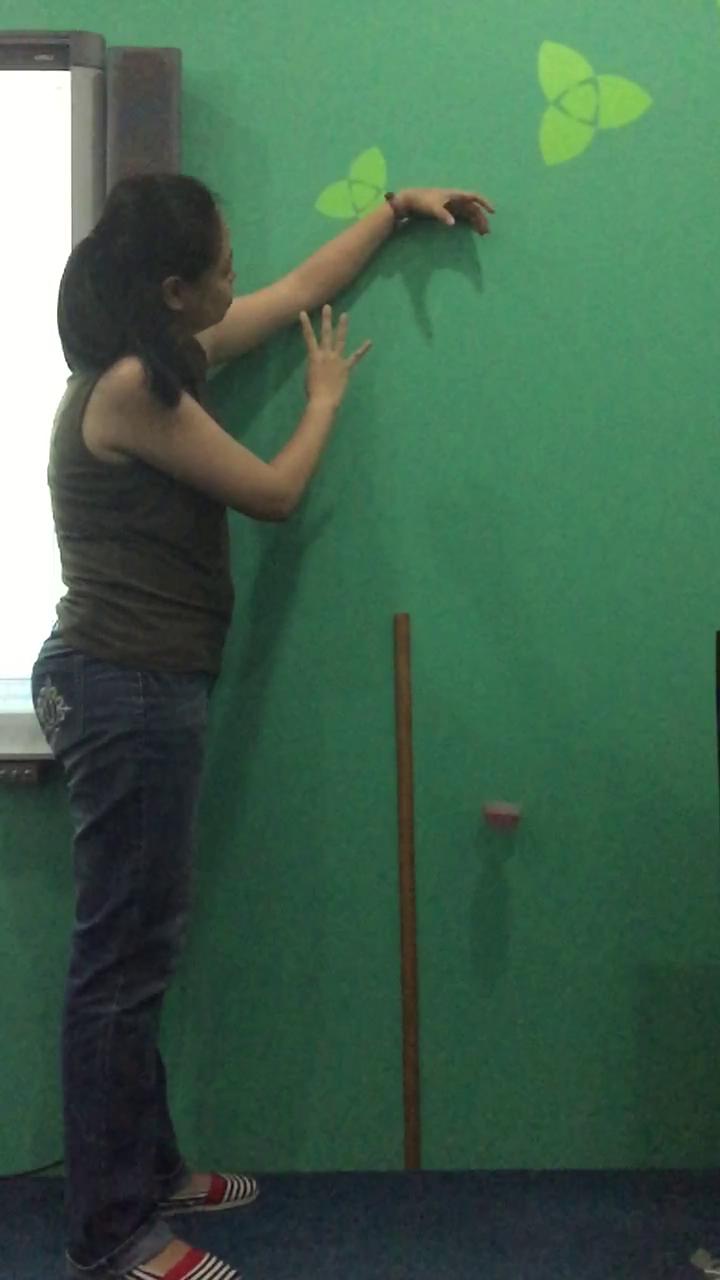
- 4 Paper Cups Falling02.jpg
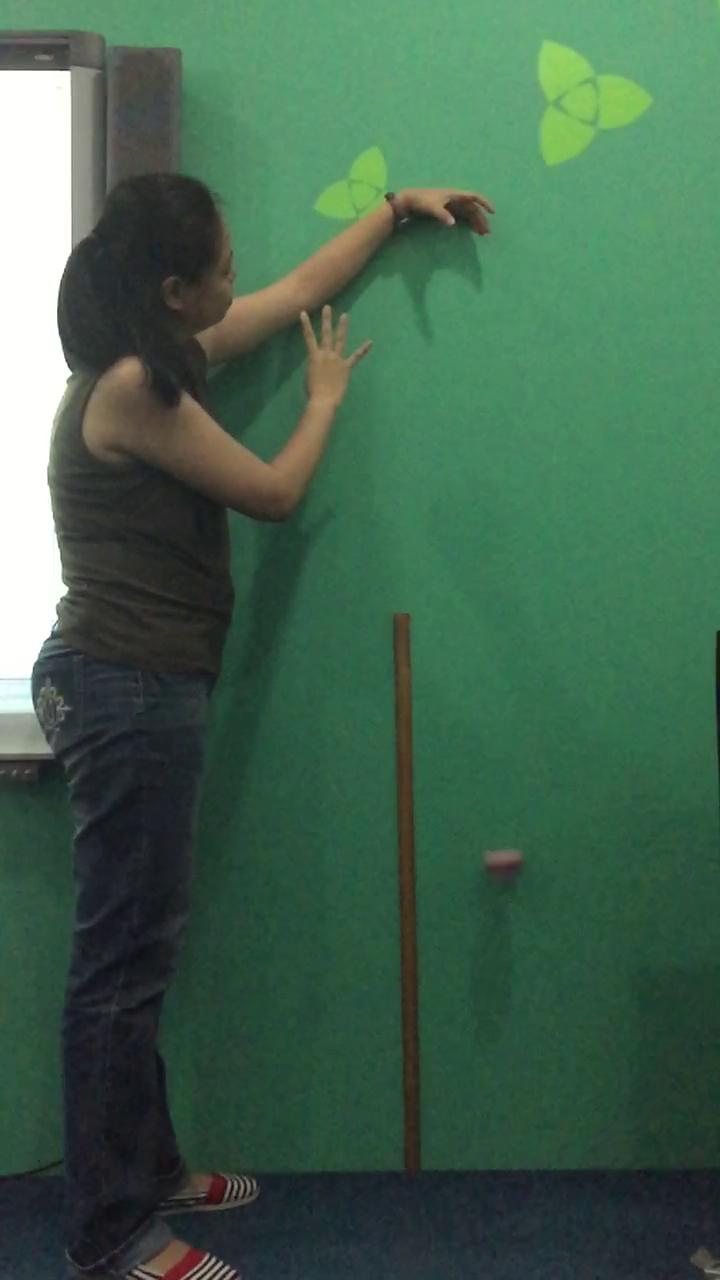
- 4 Paper Cups Falling01.jpg
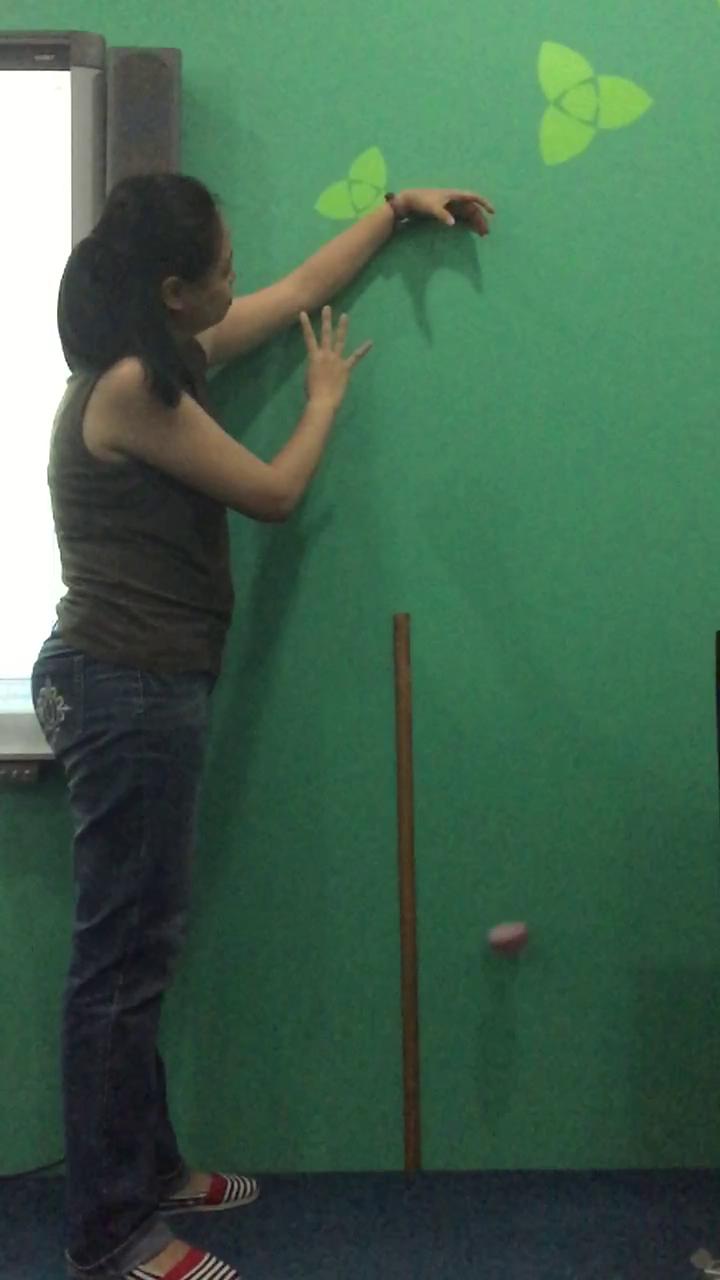
- 4 Paper Cups Falling00.jpg

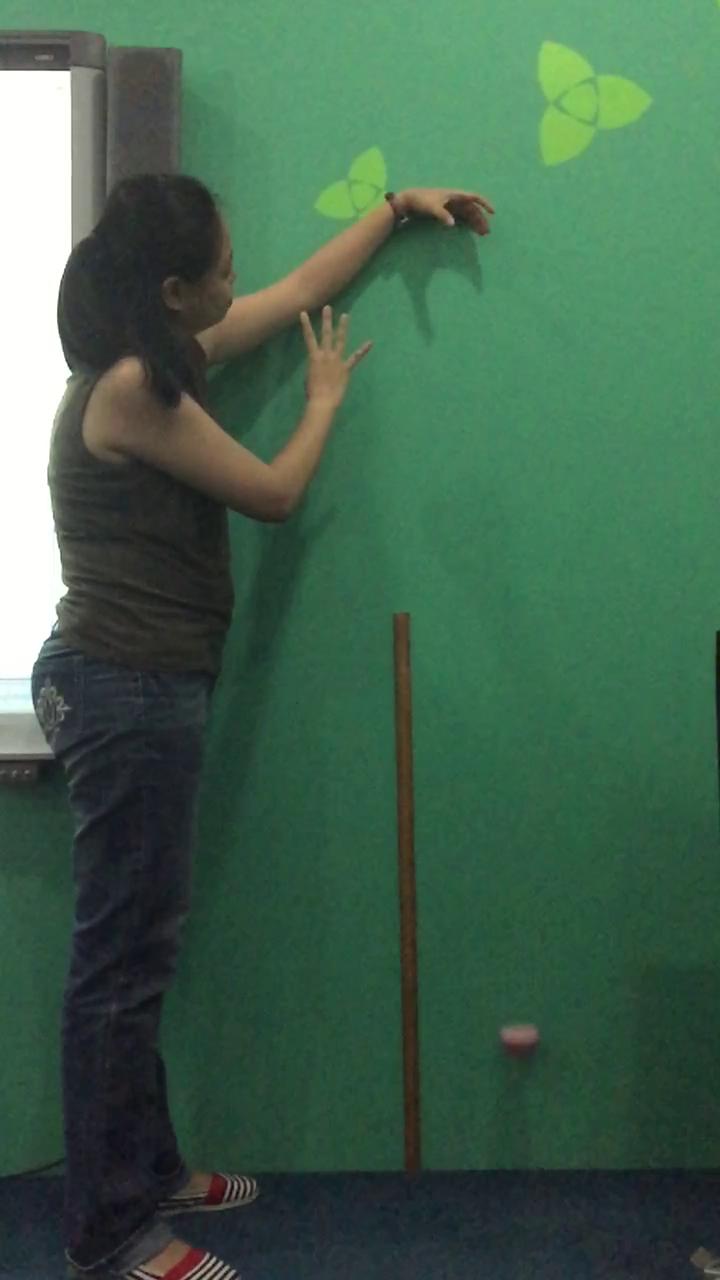
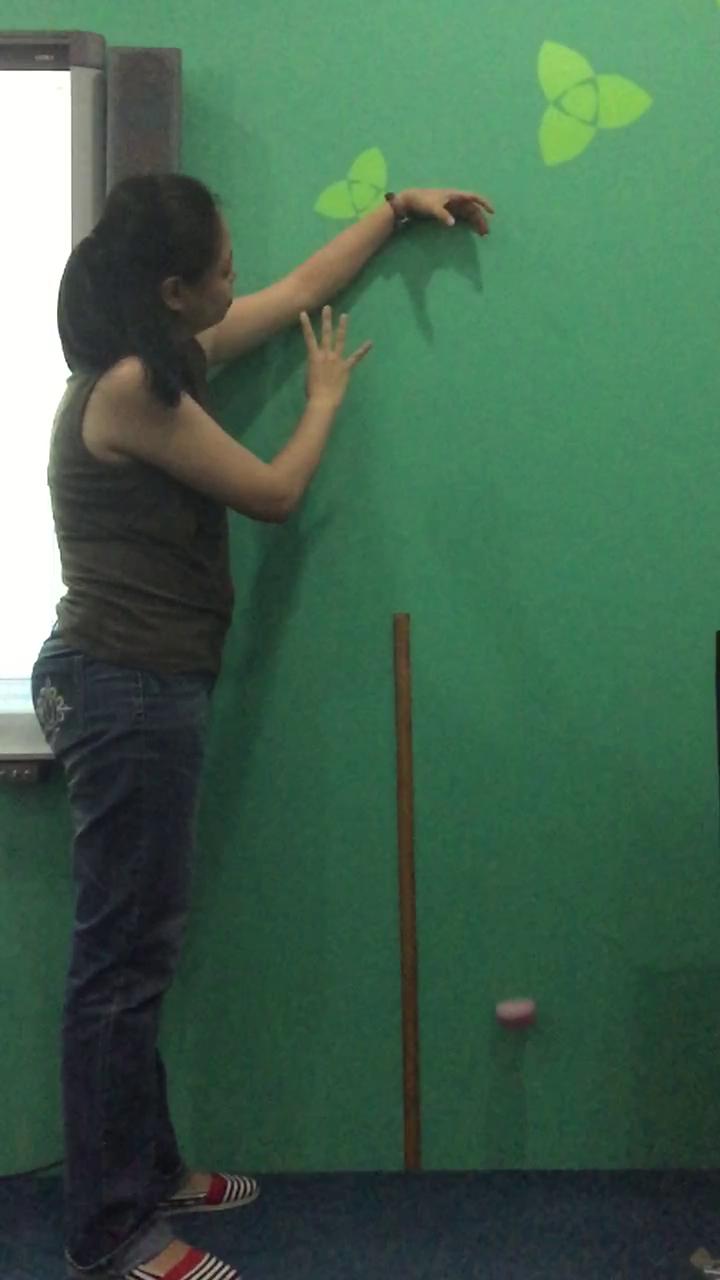
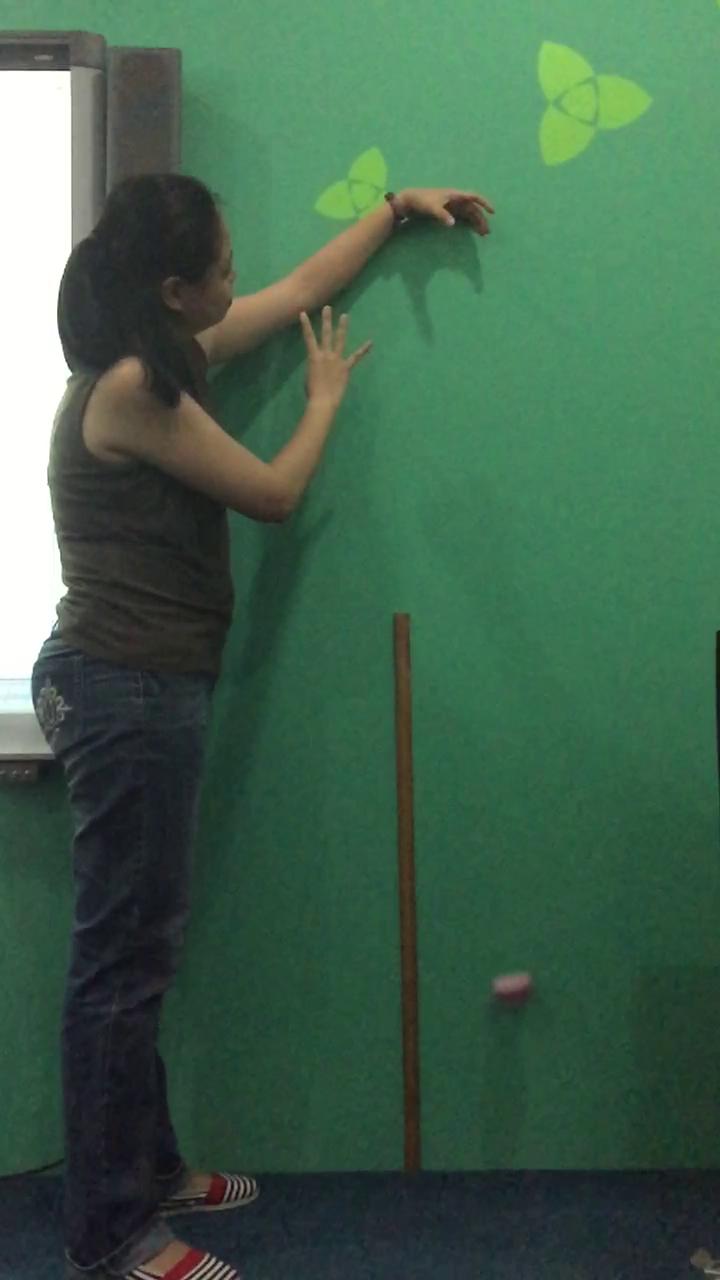
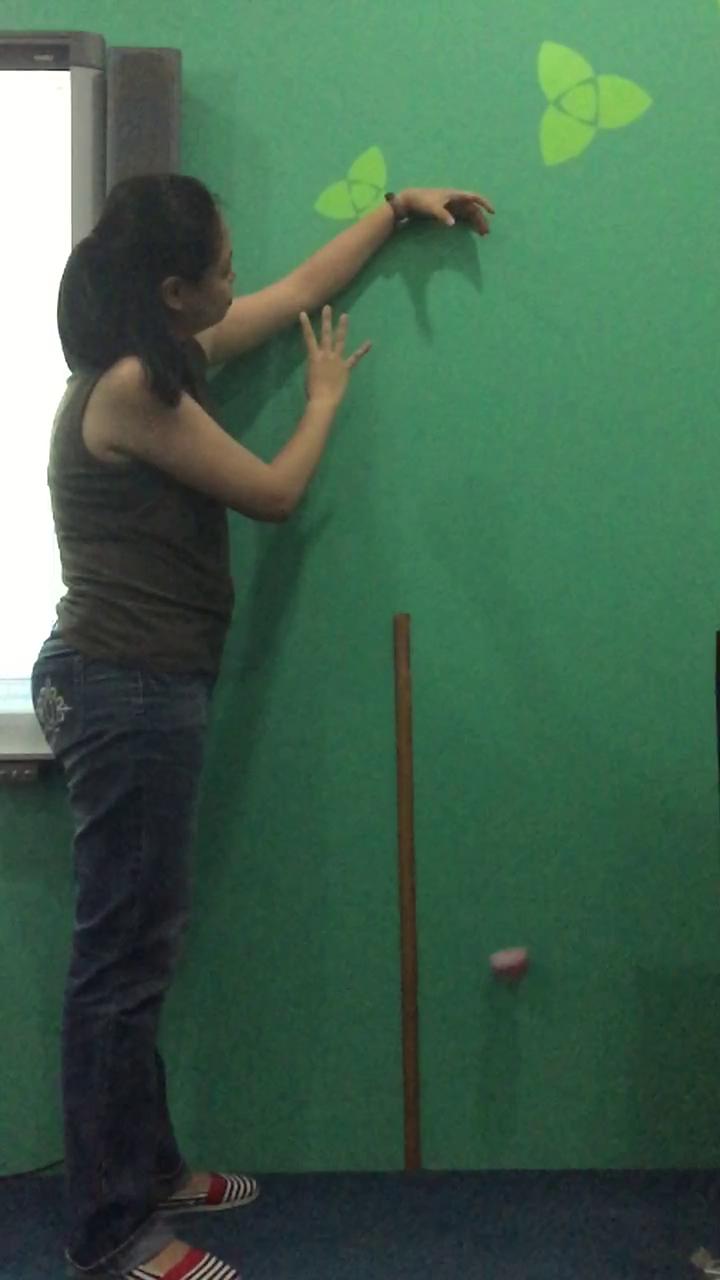




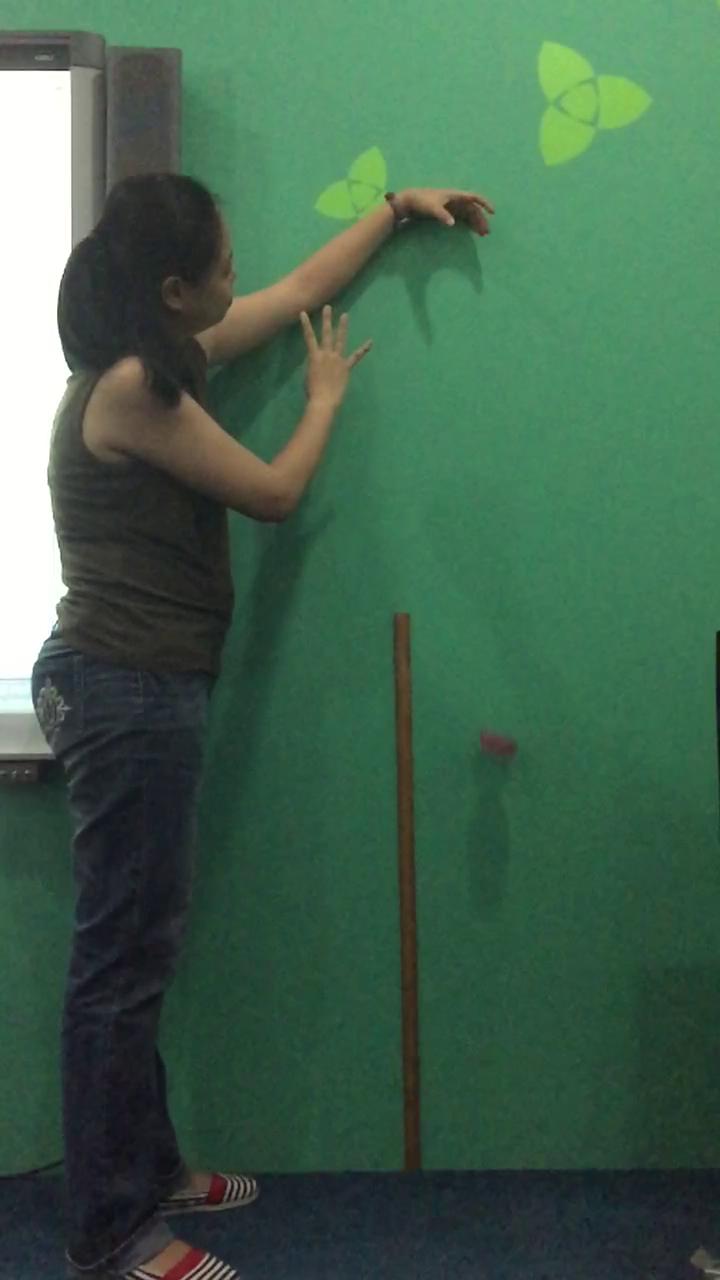

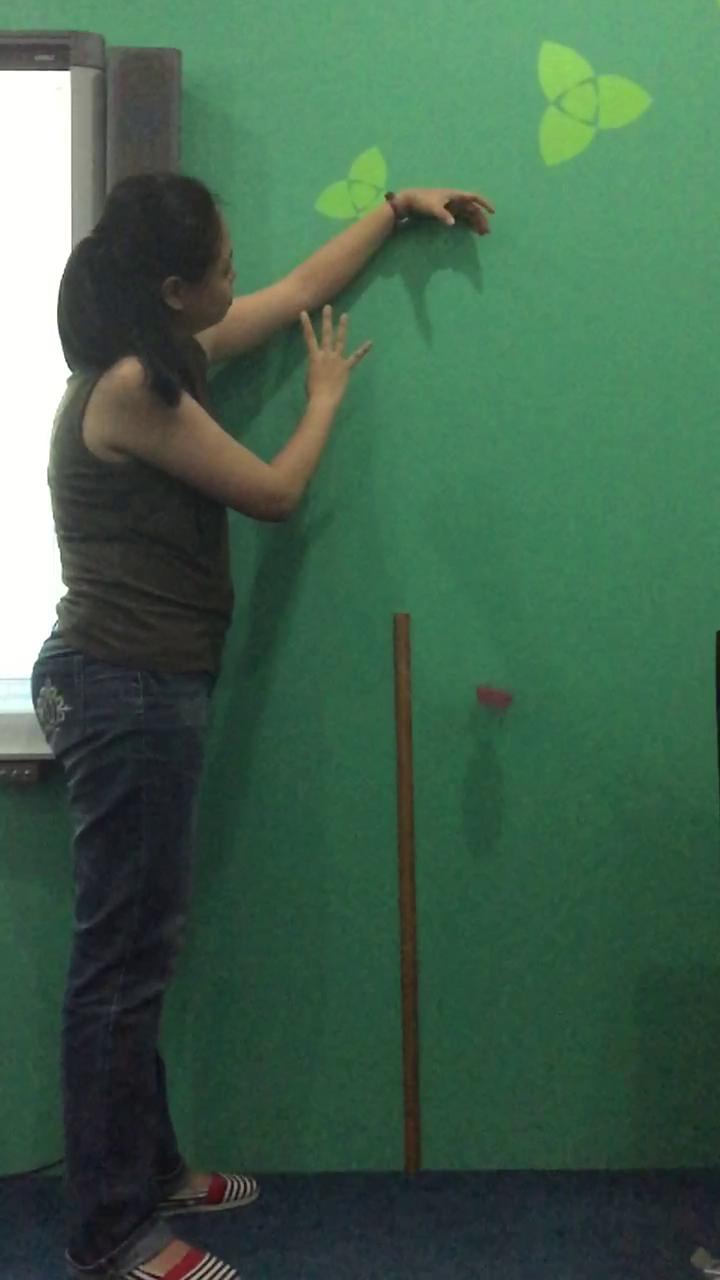
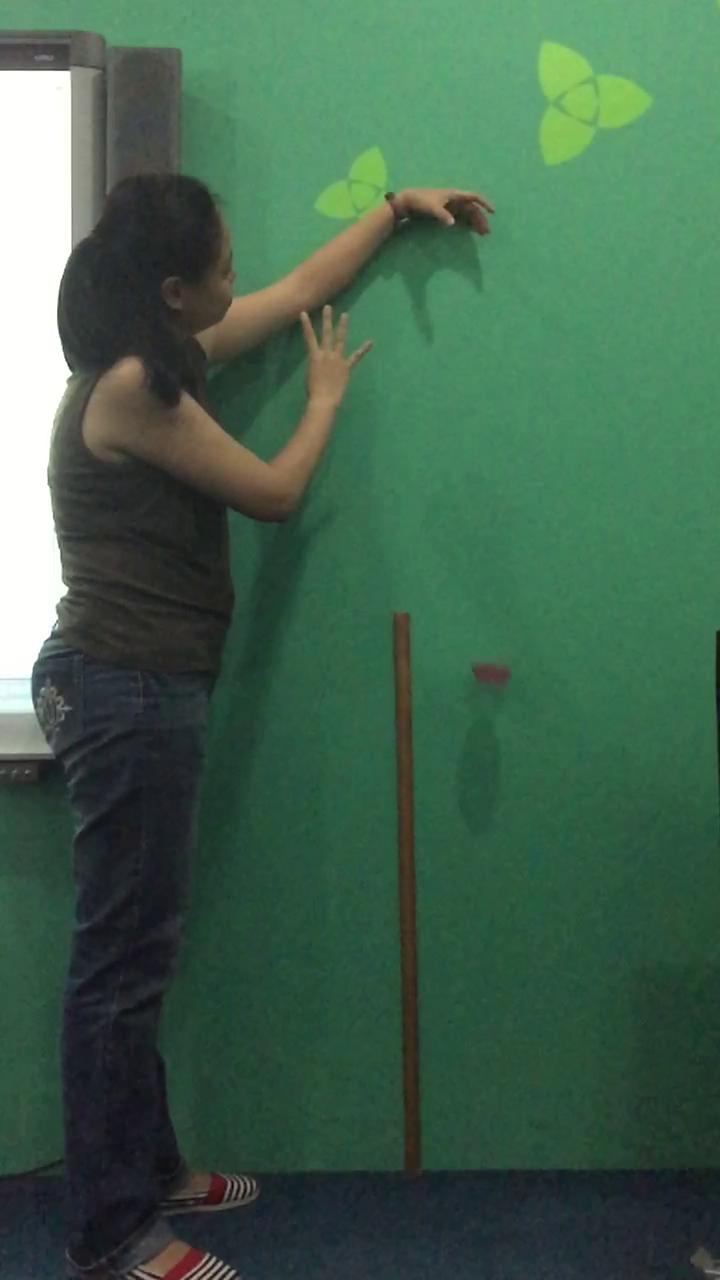
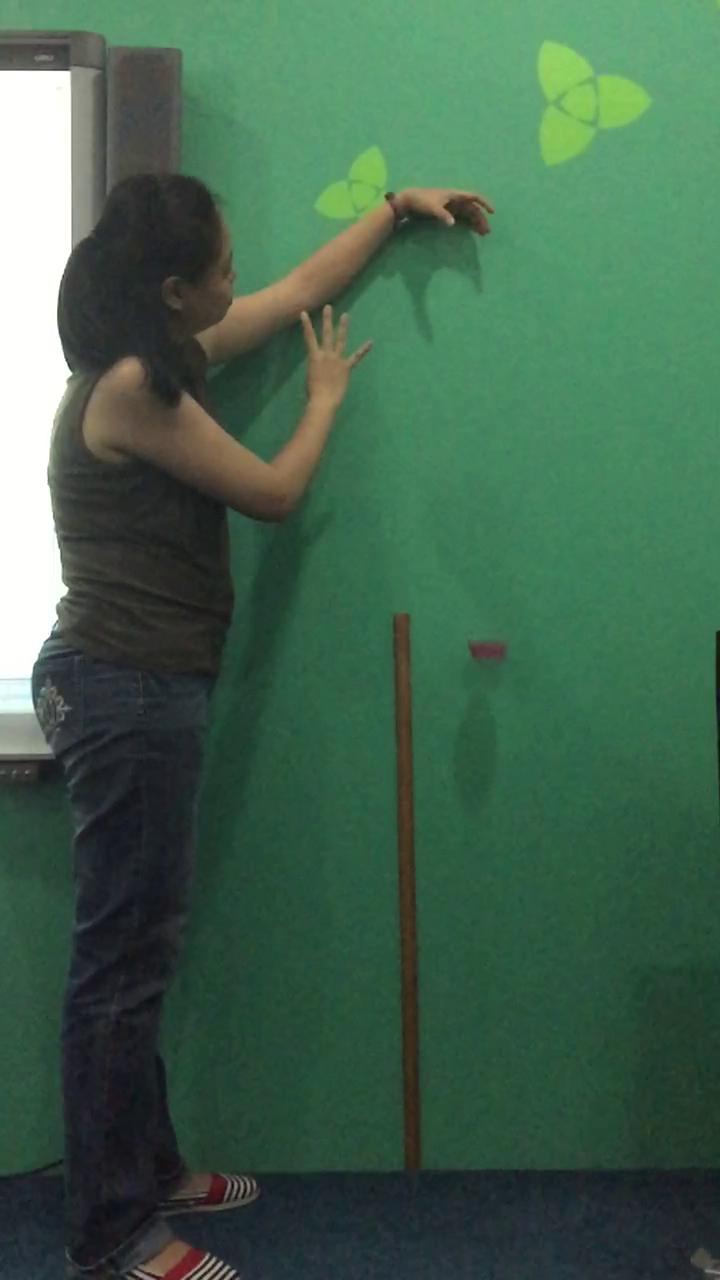
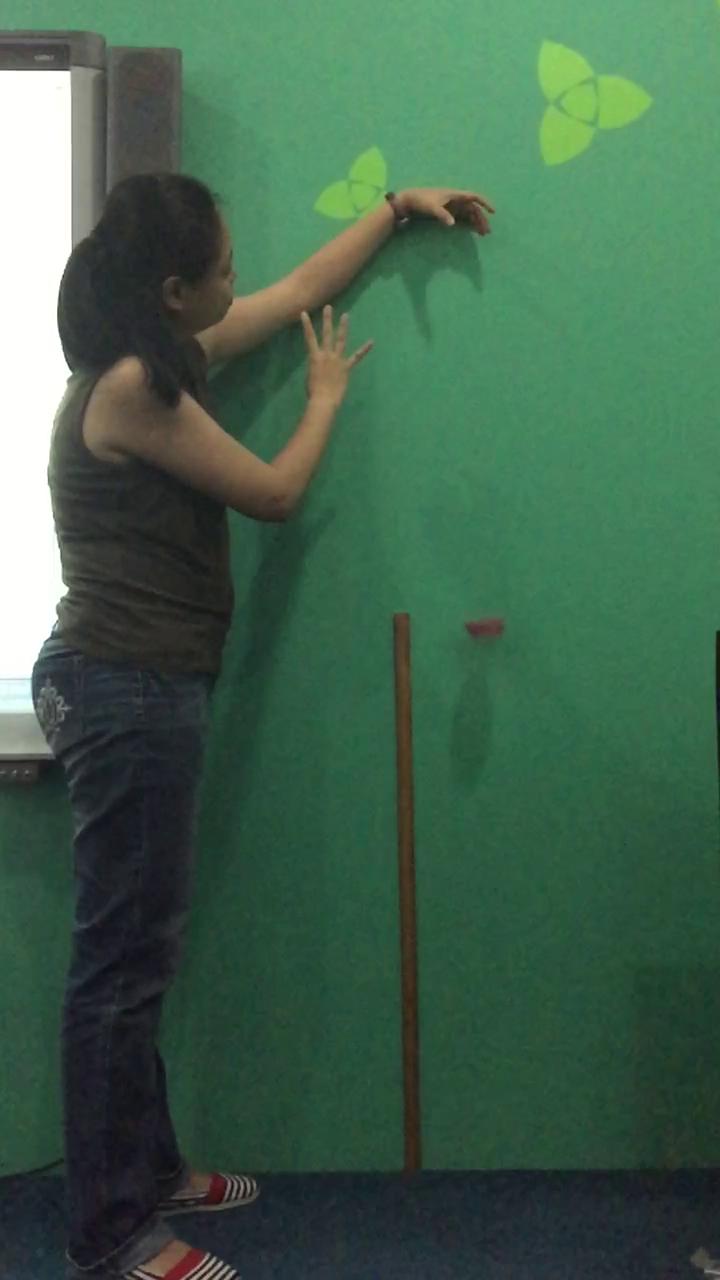


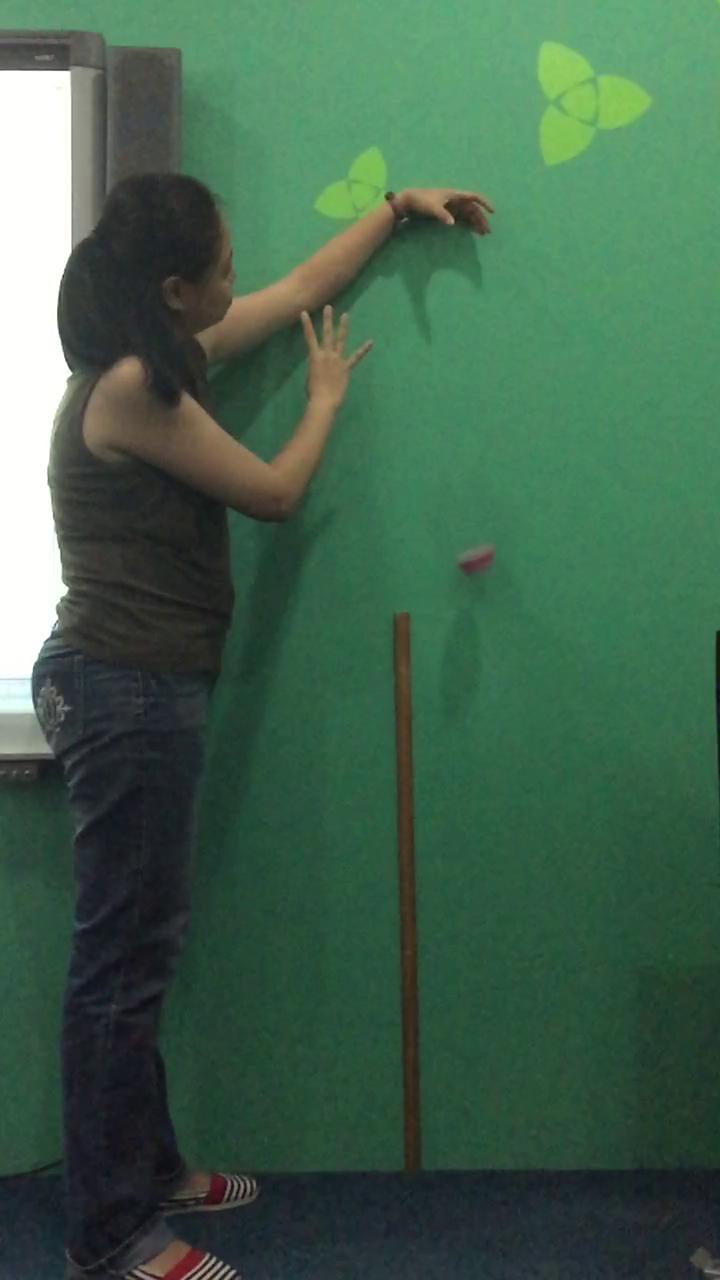
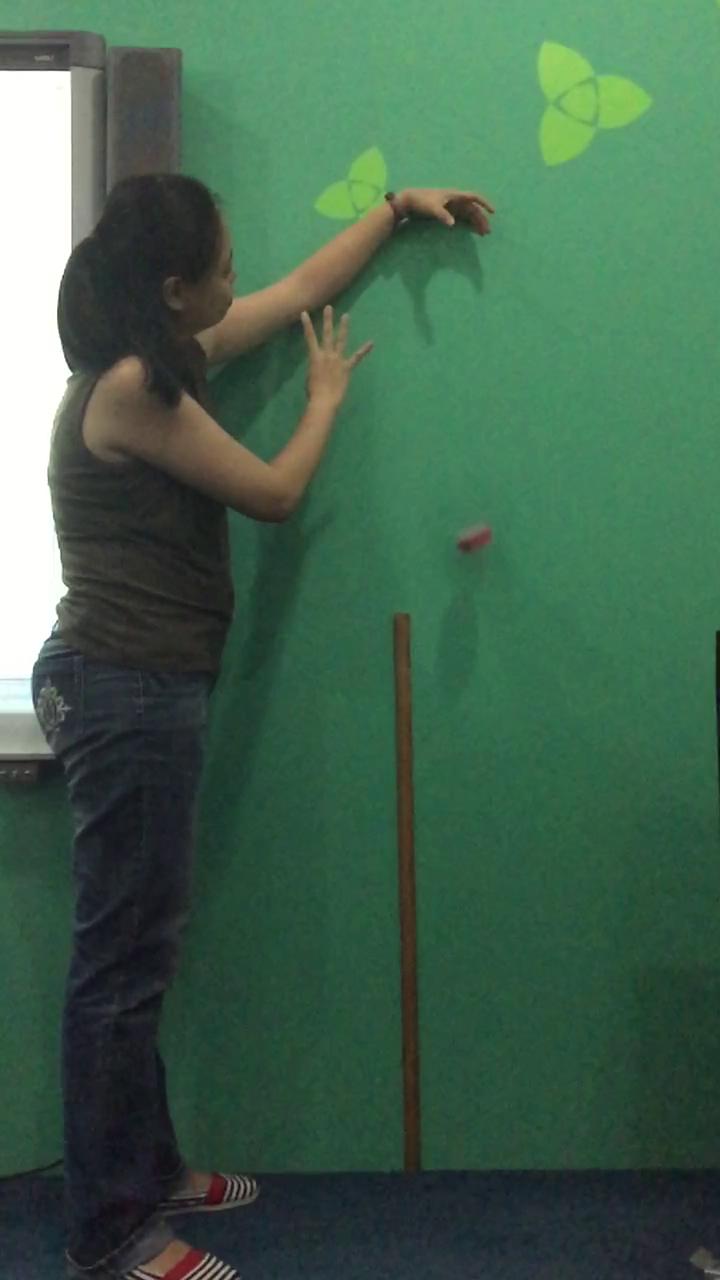
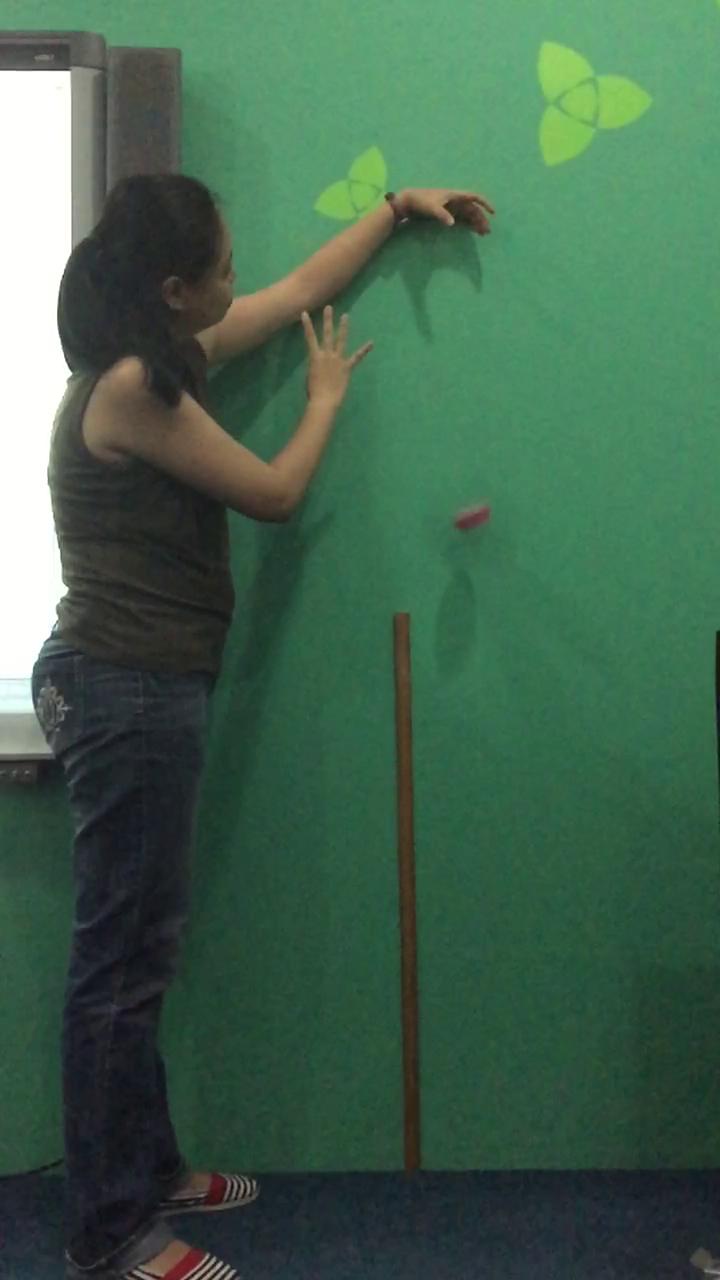
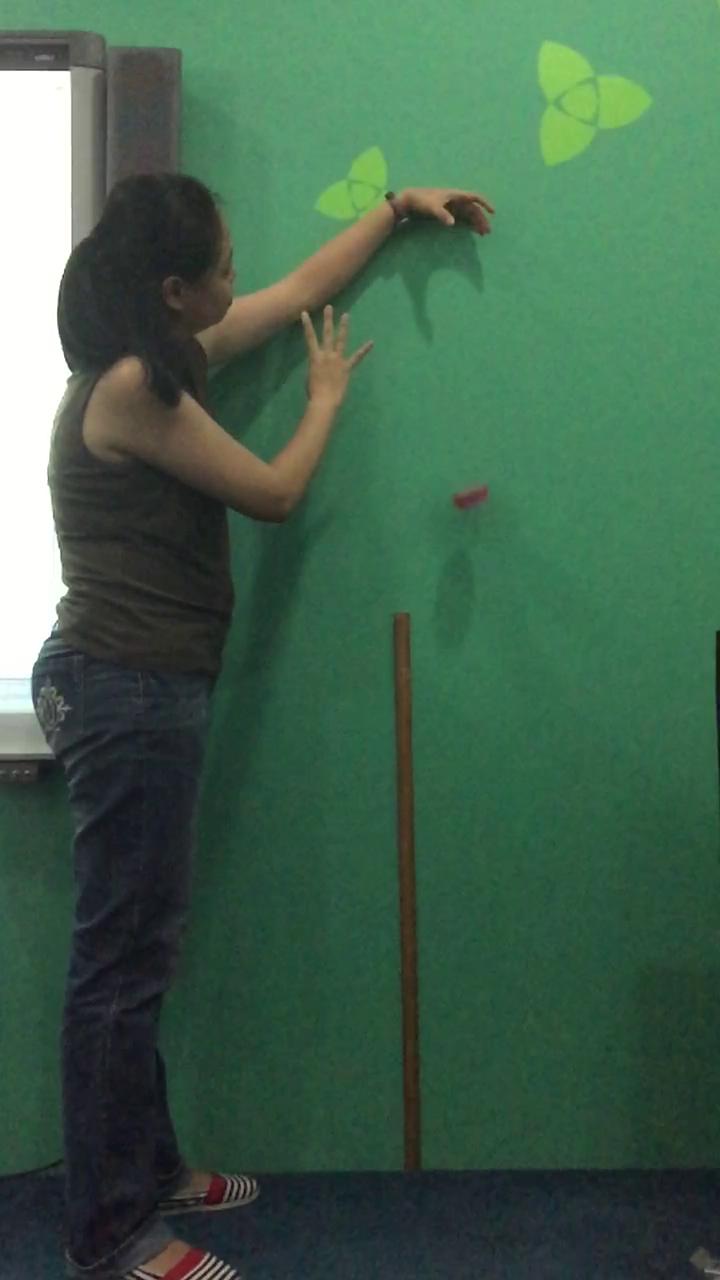
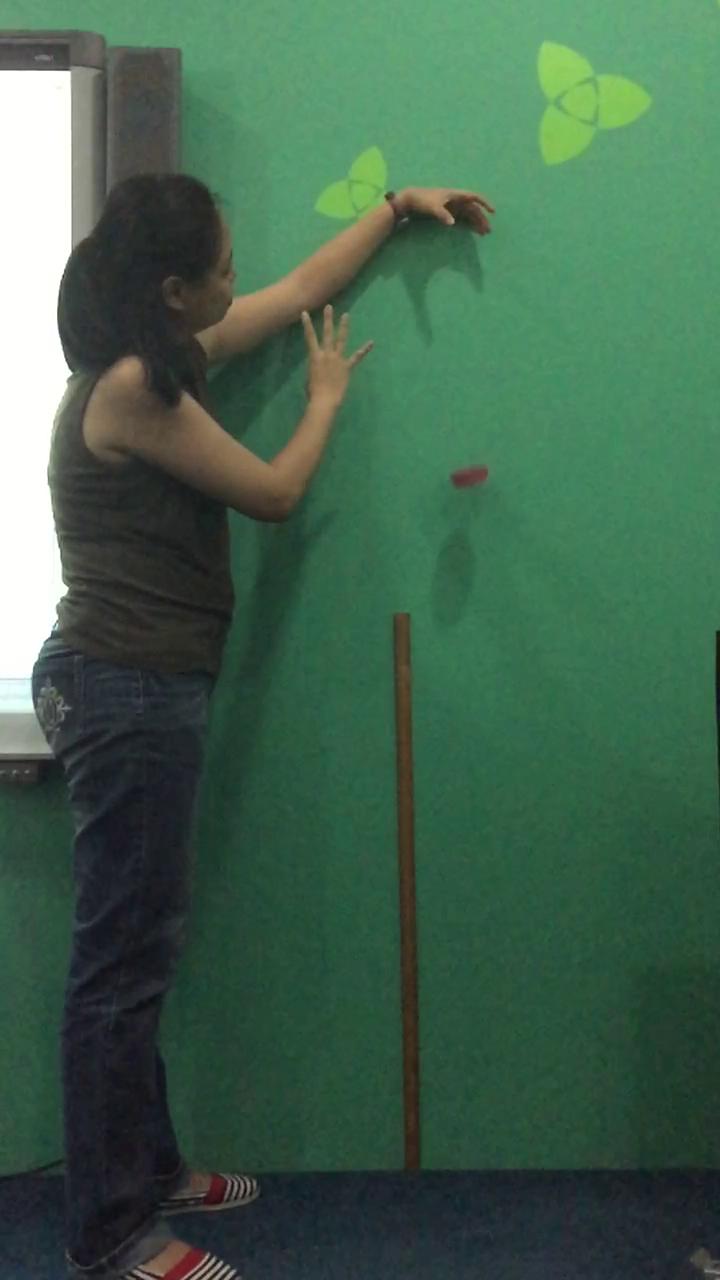
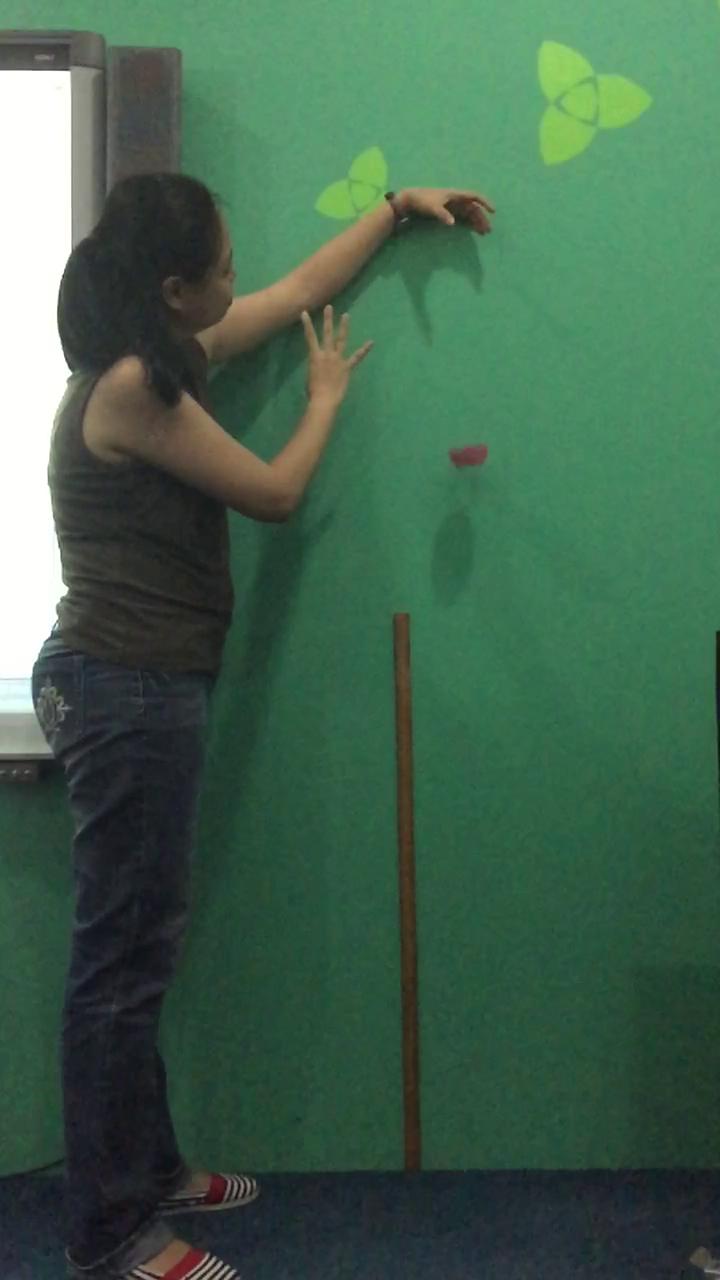

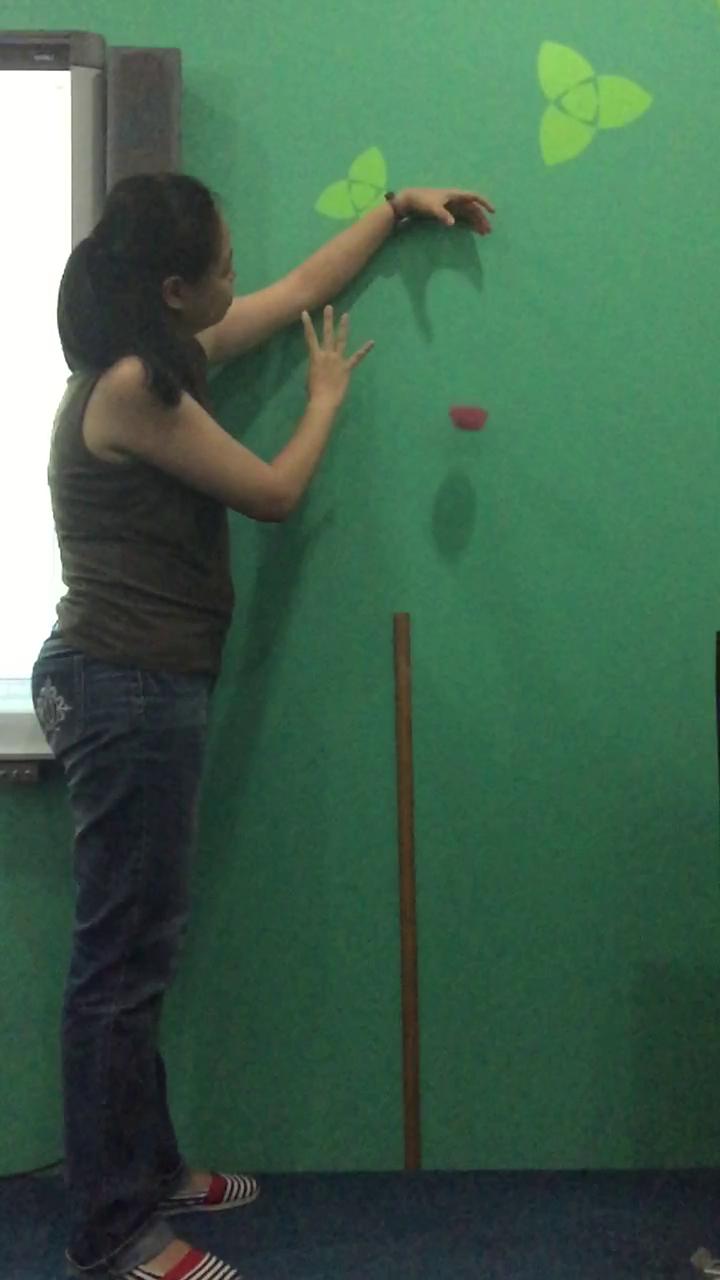


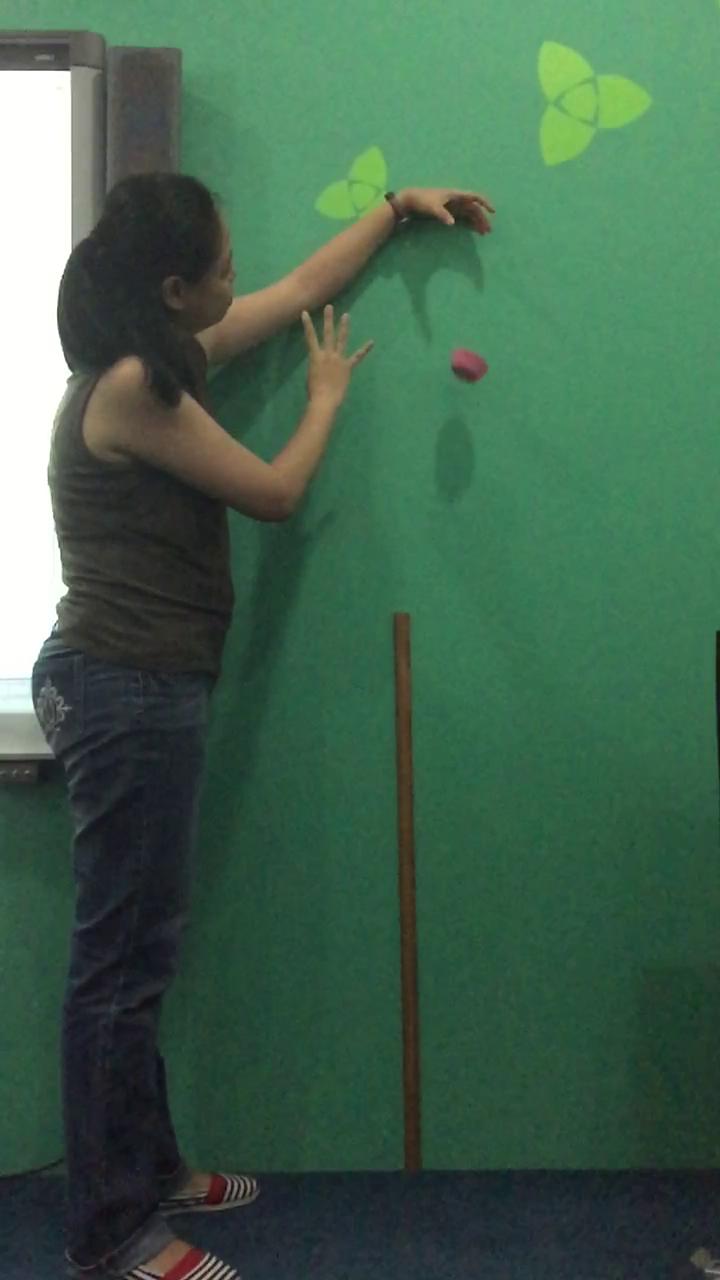
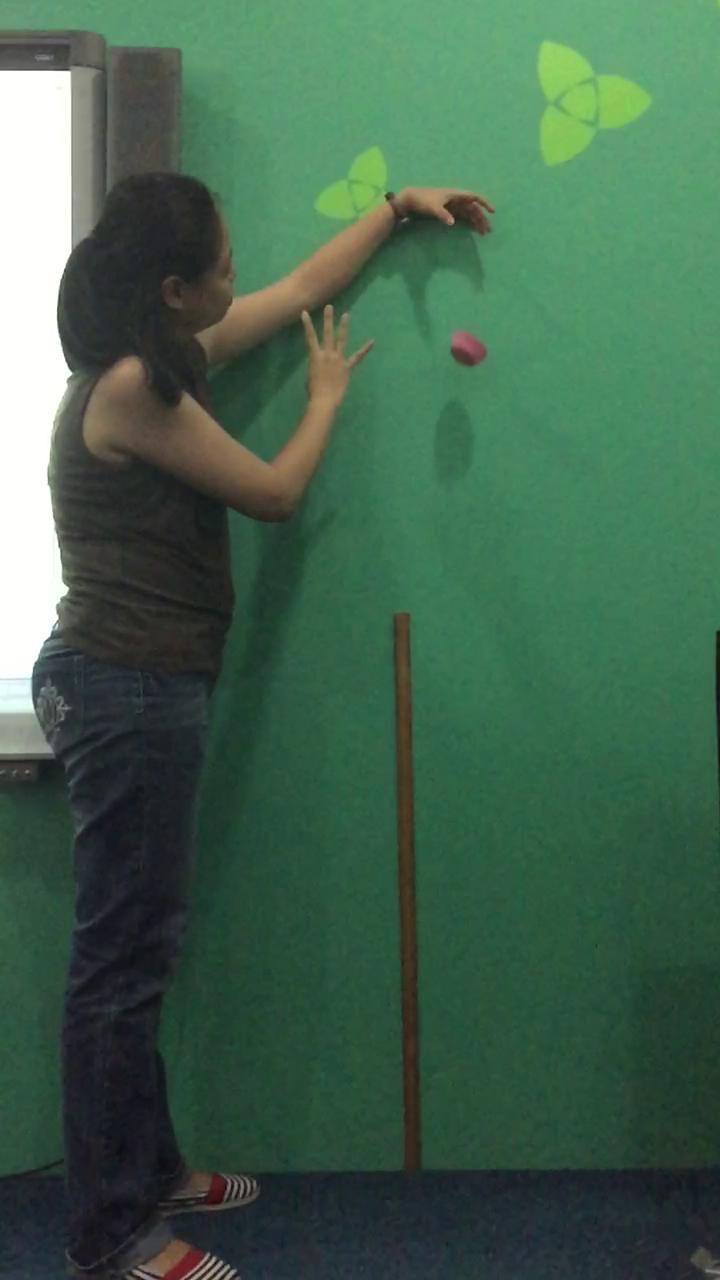
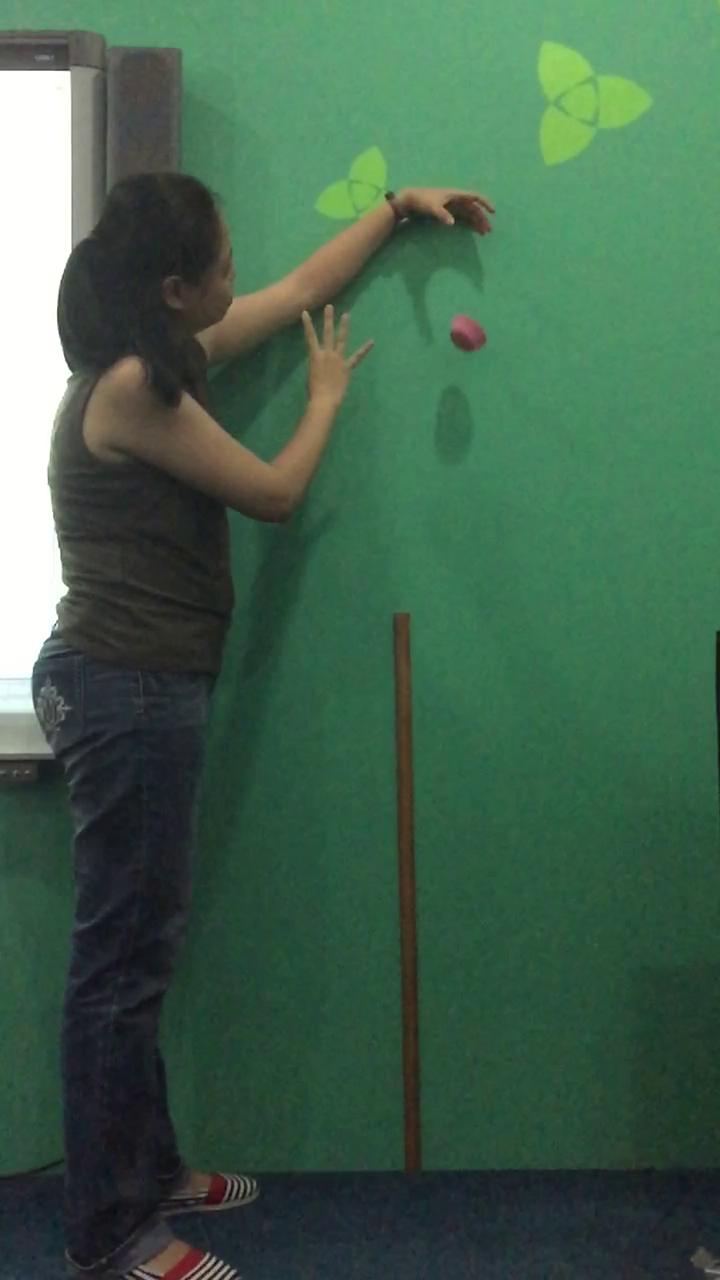
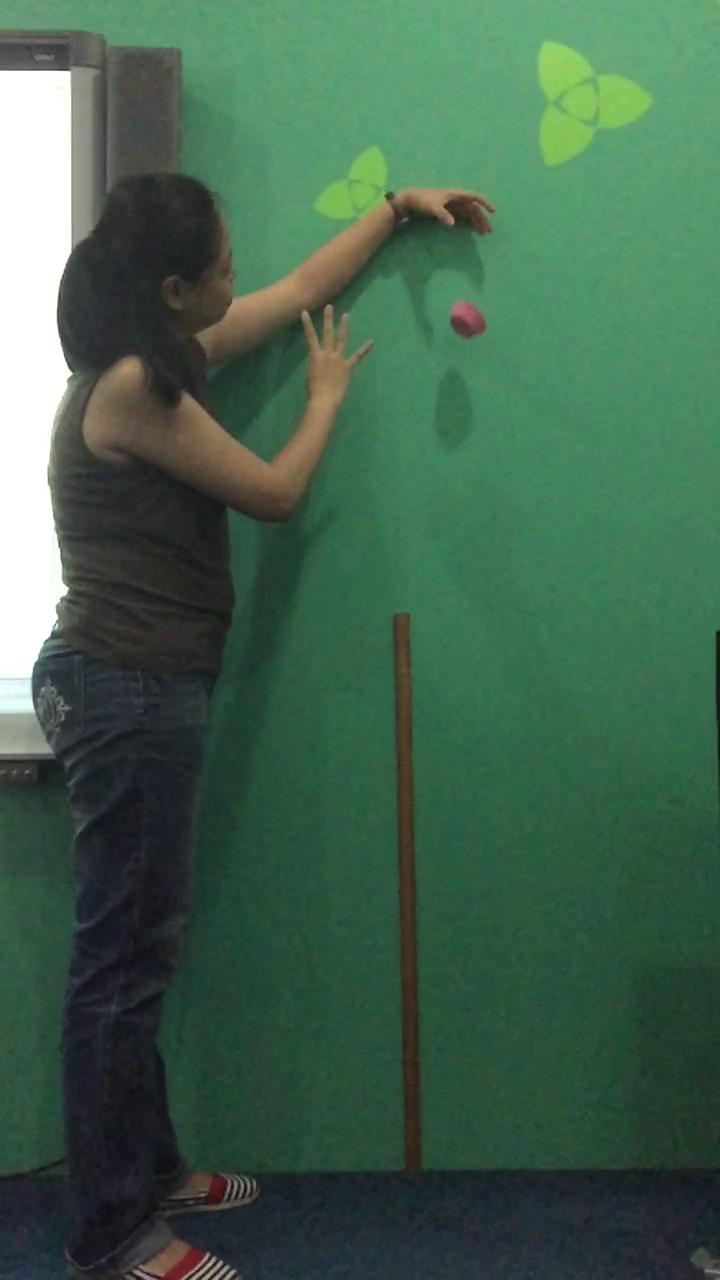
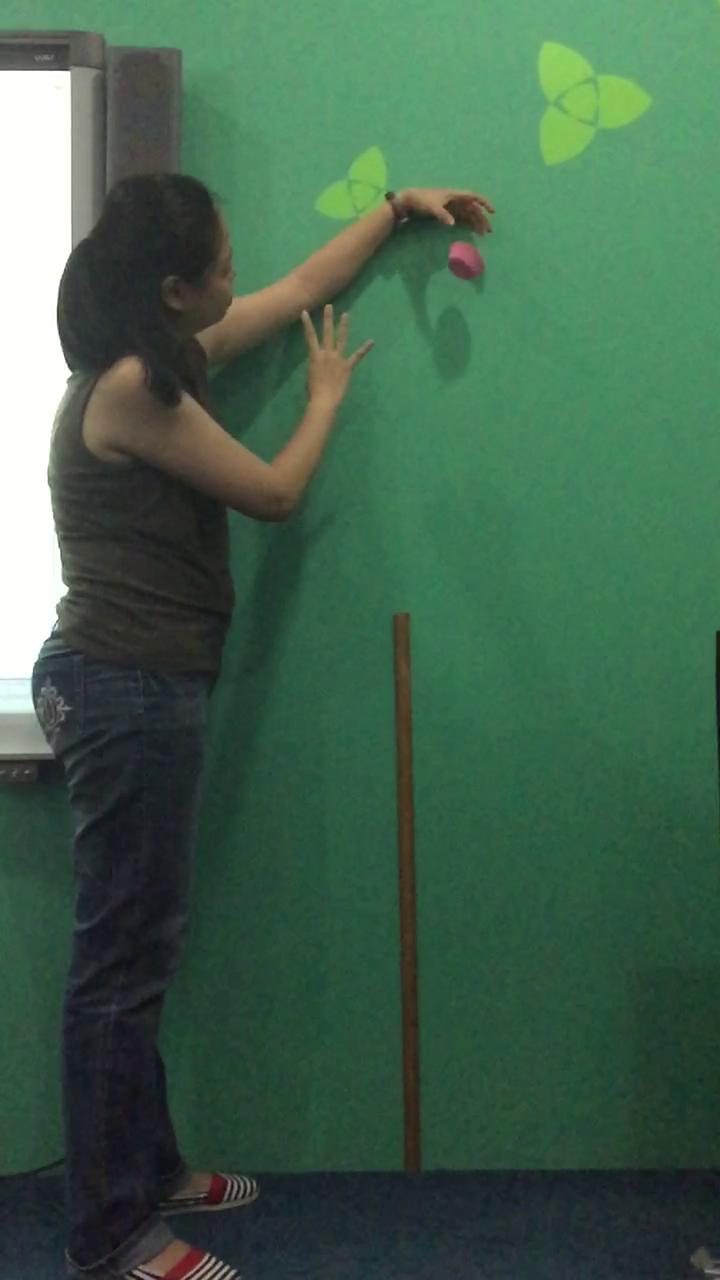

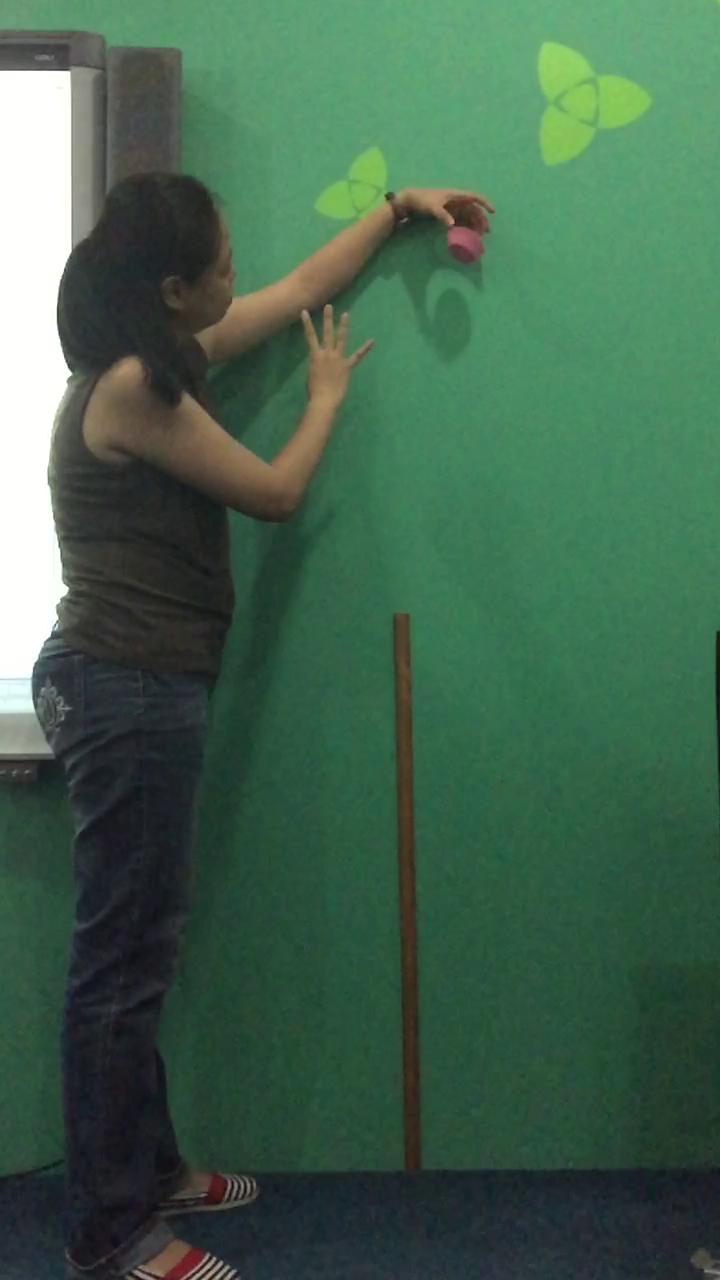
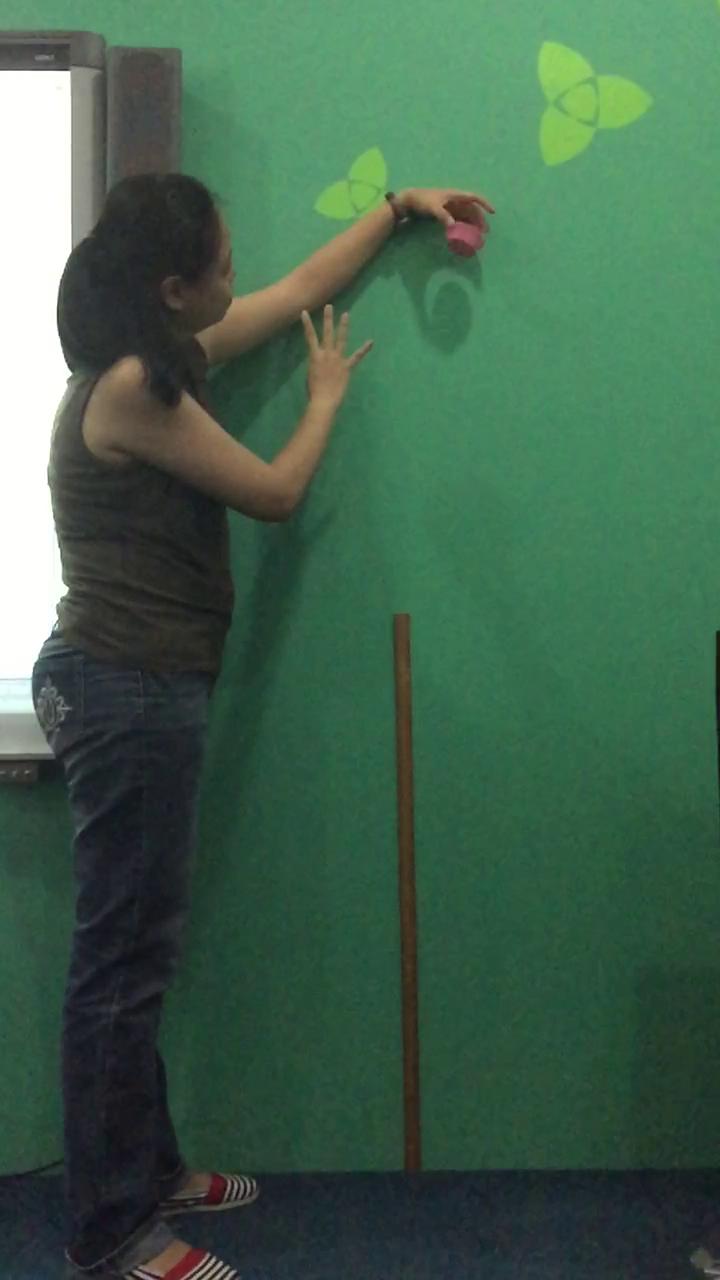
Credits
Document Brief: Title: "Four Stacked Paper Cups Falling: A Study by Ada Chen and Tan Kay Shin"
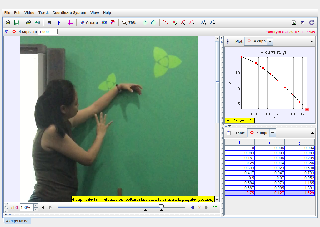
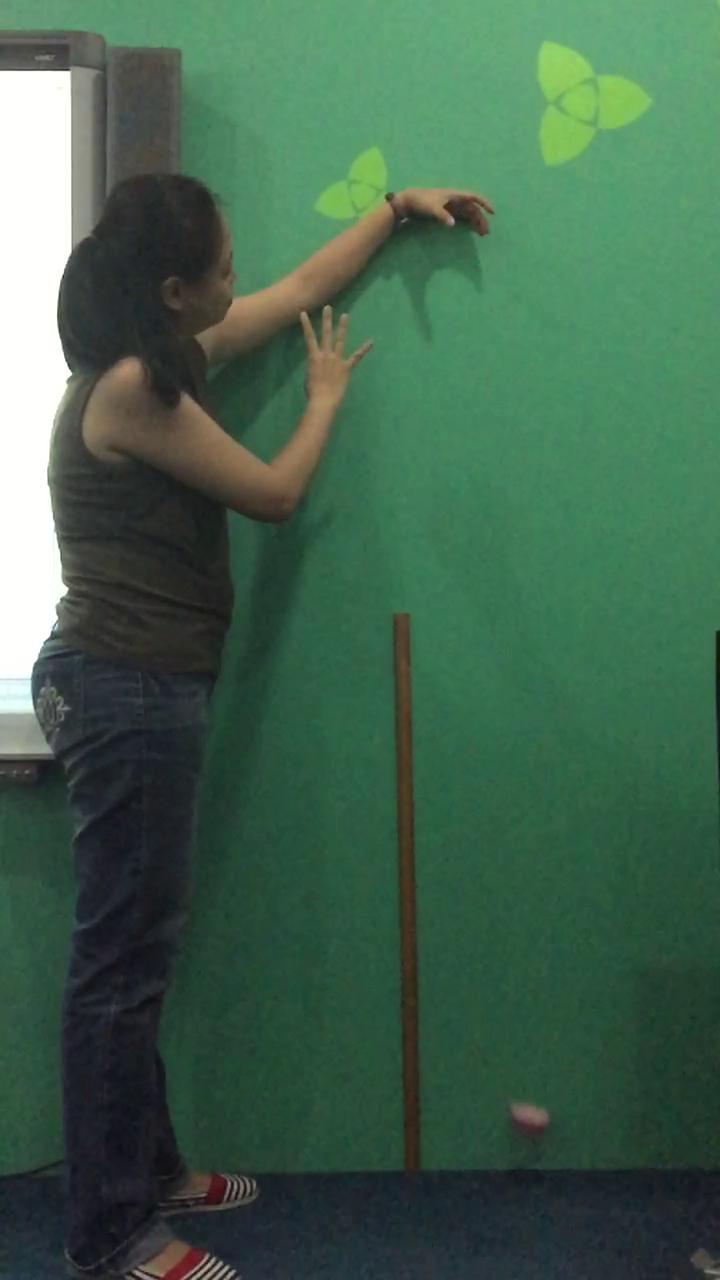
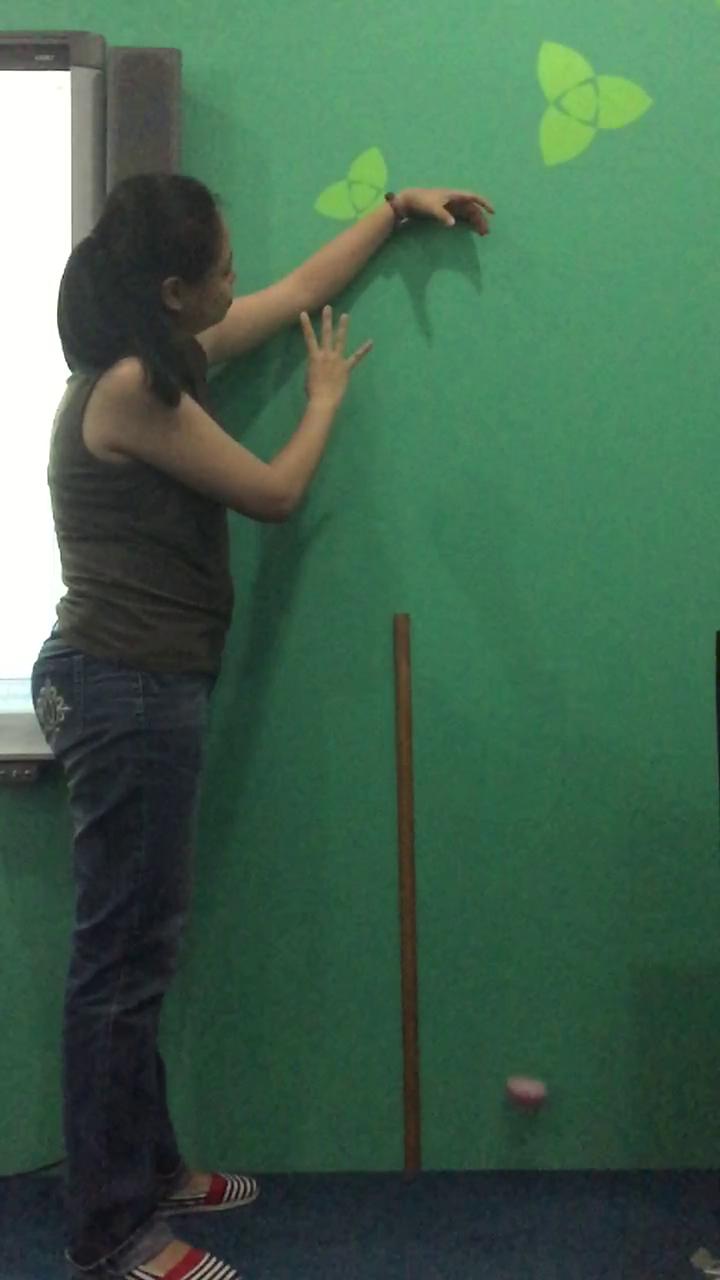
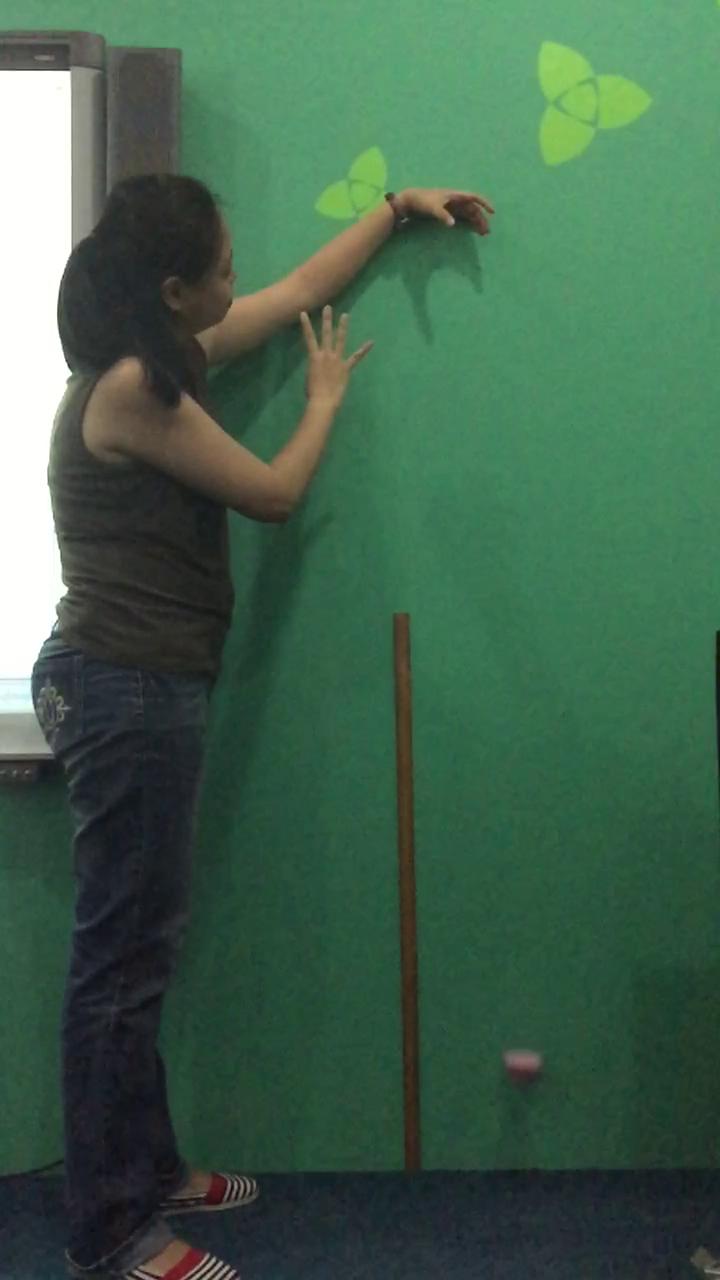
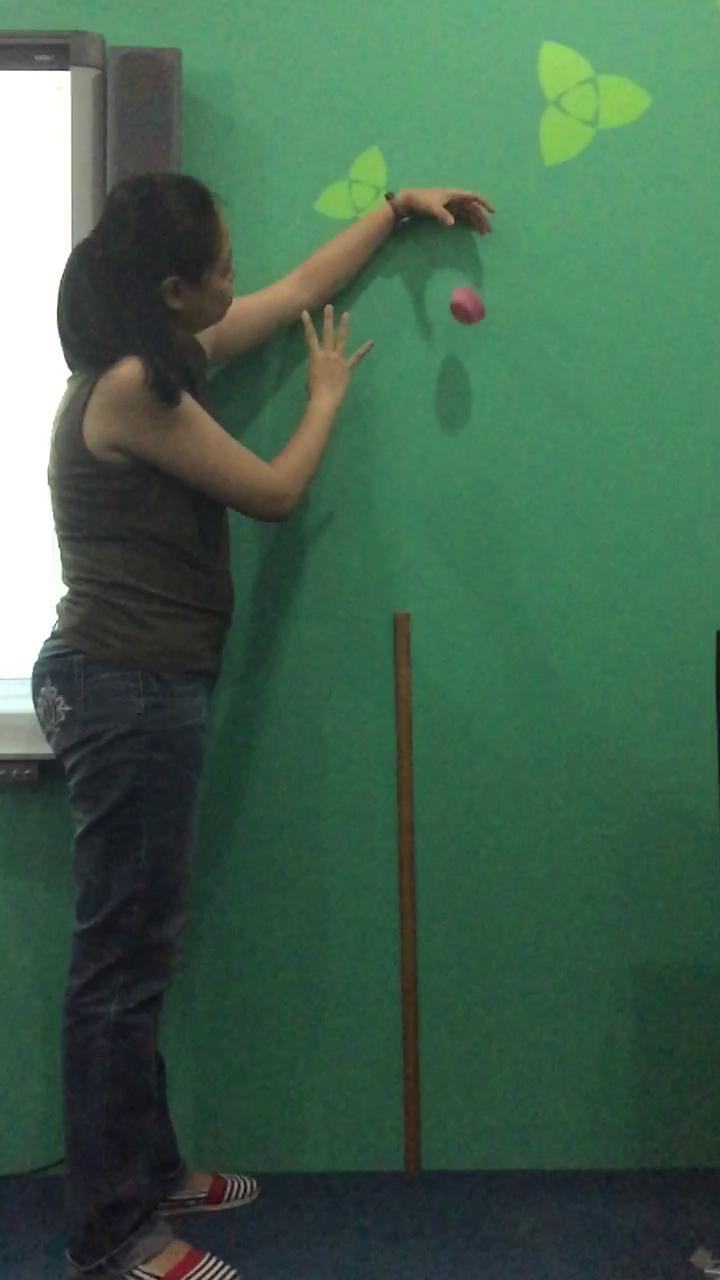
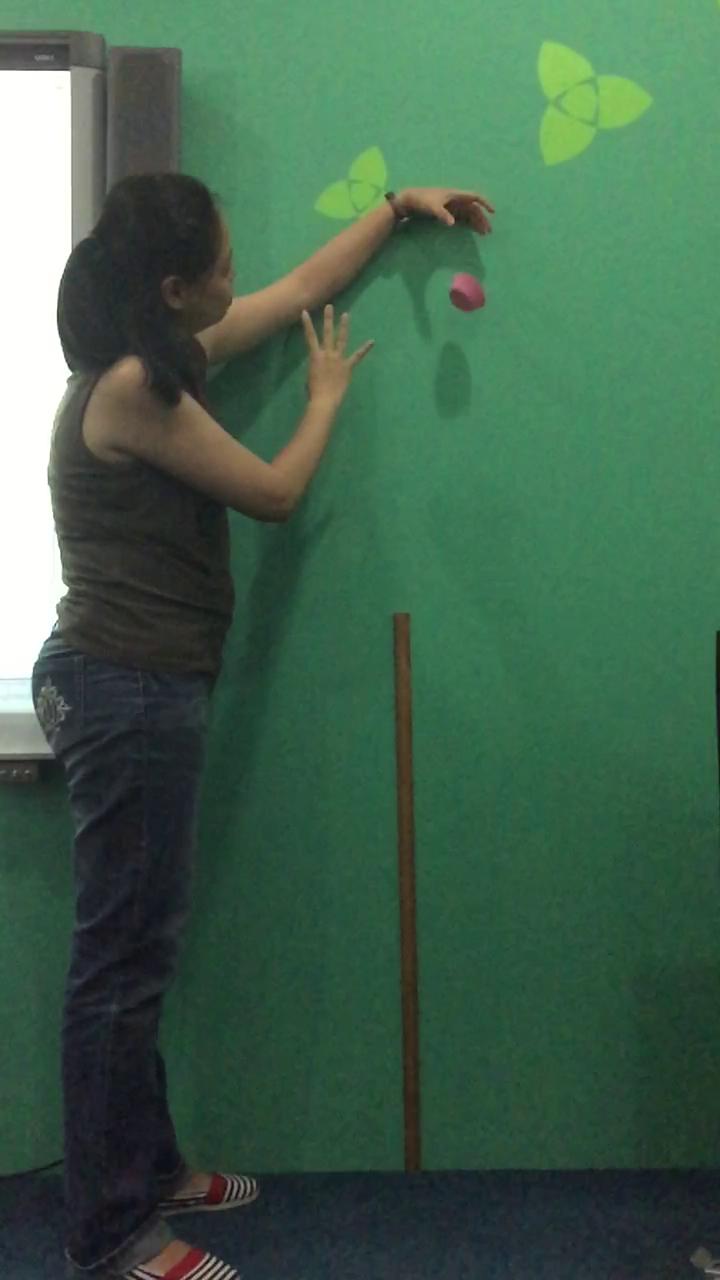
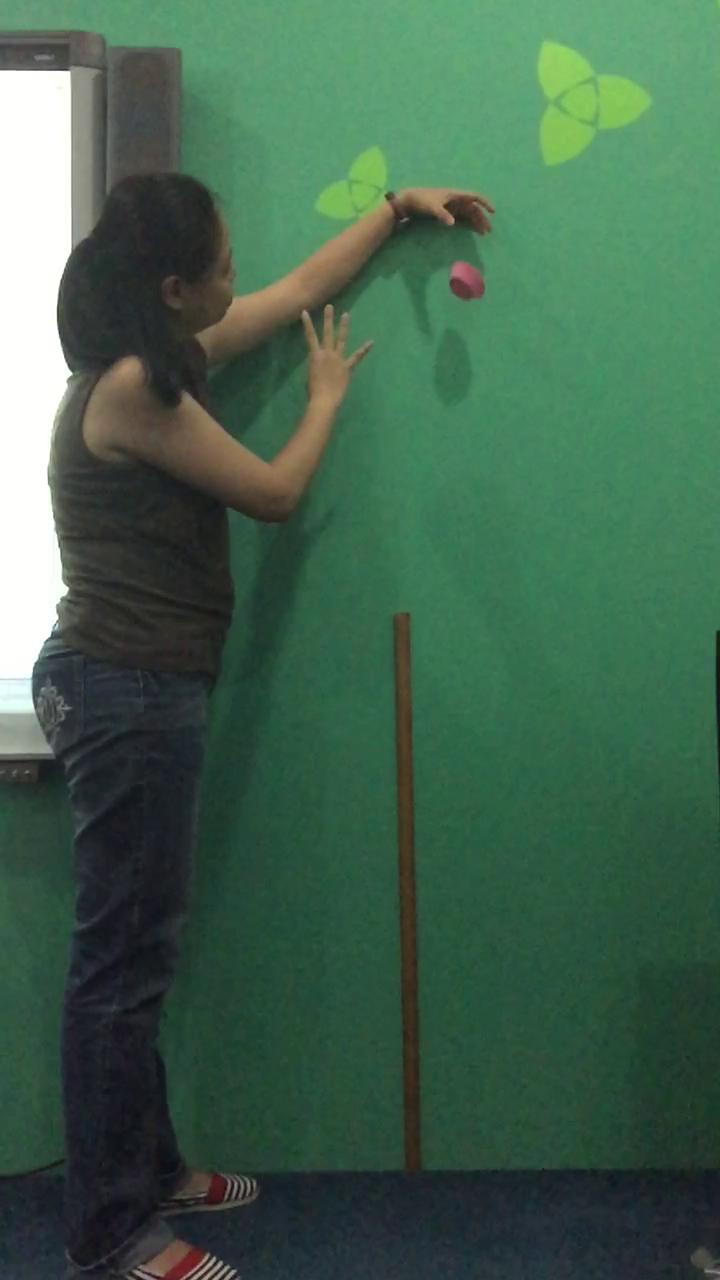
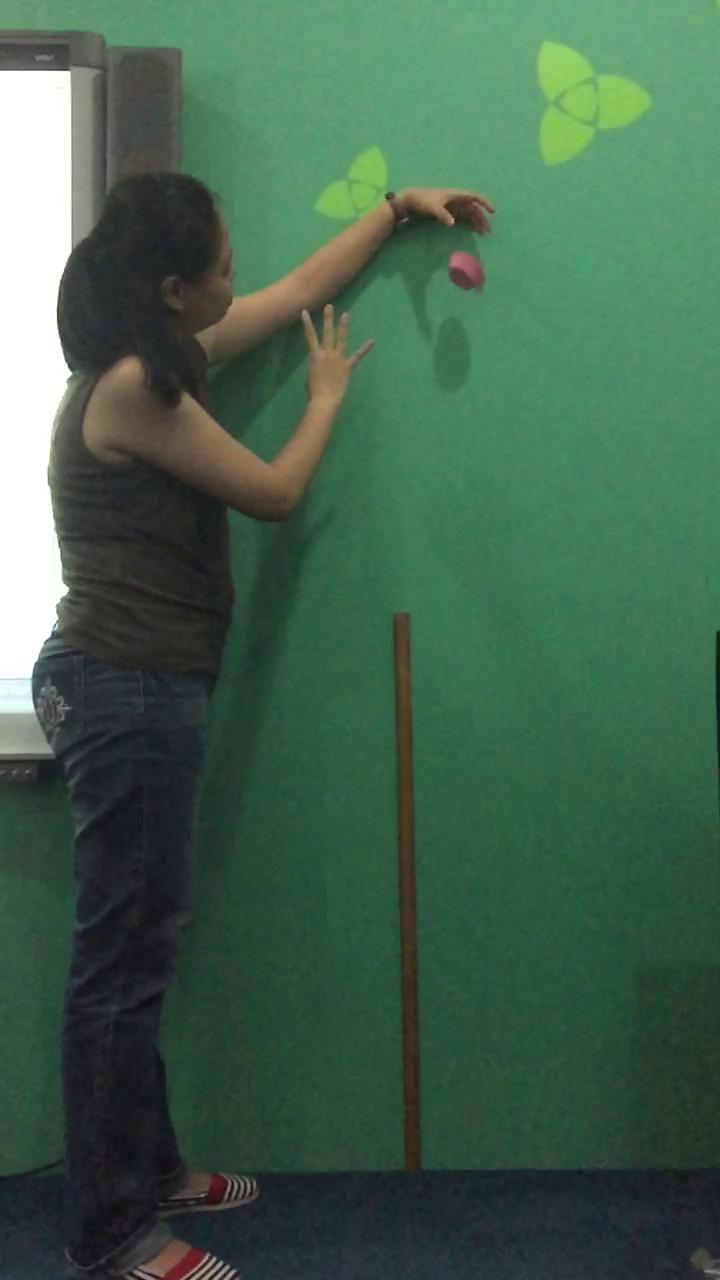
This document explores the dynamics of four stacked paper cups in free fall, as analyzed by Ada Chen and Tan Kay Shin. The study investigates how increased stacking affects stability, air resistance, and motion, linking observations to fundamental physics principles.
Study Guide:
Objective: Analyze the behavior of four stacked paper cups during free fall and understand the effects of additional stacking on descent dynamics.
Key Concepts:
-
Stability in Free Fall:
-
Adding more stacked objects changes the center of mass and structural integrity, which can impact falling behavior.
-
-
Air Resistance and Surface Area:
-
Larger surface areas due to increased stacking may experience greater drag, altering the descent rate.
-
-
Gravitational Force:
-
Gravity remains constant for all objects, but descent variations arise from changes in air resistance and stability.
-
Experiment Overview:
-
Setup: Four identical paper cups stacked together and dropped from a height.
-
Procedure: Observe their descent, recording any wobbling, separation, or other behaviors.
-
Observation Points:
-
Compare with the fall of three, two, or single stacked cups.
-
Monitor stability and alignment during descent.
-
Questions to Consider:
-
How does stacking four cups impact their stability compared to fewer stacked cups?
-
What role does air resistance play in the descent of four stacked cups?
-
How might altering the stacking method or adding weight change the results?
Applications:
-
Examining the stability of stacked configurations in free-fall scenarios.
-
Understanding aerodynamics and drag in multi-body systems with increased components.
FAQ:
-
Why study four stacked cups in free fall? Investigating four stacked cups offers insights into how increased complexity in stacking arrangements affects stability and air resistance, with applications in physics and engineering.
-
What is the difference between three and four stacked cups? Adding an additional cup increases both height and surface area of the stack, potentially amplifying drag and altering stability.
-
How does air resistance affect the fall? Larger stacks experience more drag due to increased surface area, potentially slowing the descent and impacting stability.
-
Would the results differ with heavier or differently shaped cups? Yes, heavier or differently shaped cups would influence the center of mass, inertia, and drag, leading to variations in falling behavior.
-
What are real-world applications of this study? Applications include designing stable multi-component systems in transport, understanding aerodynamic drag, and ensuring stability in free-falling structures like satellites.
- Details
- Written by leongster
- Parent Category: 03 Motion & Forces
- Category: 02 Dynamics
- Hits: 6568