


About
For Teachers
- INvestigate Bungee Jump 142.jpg
- INvestigate Bungee Jump 141.jpg
- INvestigate Bungee Jump 140.jpg
- INvestigate Bungee Jump 139.jpg
- INvestigate Bungee Jump 138.jpg
- INvestigate Bungee Jump 137.jpg
- INvestigate Bungee Jump 136.jpg
- INvestigate Bungee Jump 135.jpg
- INvestigate Bungee Jump 134.jpg
- INvestigate Bungee Jump 133.jpg
- INvestigate Bungee Jump 132.jpg
- INvestigate Bungee Jump 131.jpg
- INvestigate Bungee Jump 130.jpg
- INvestigate Bungee Jump 129.jpg
- INvestigate Bungee Jump 128.jpg
- INvestigate Bungee Jump 127.jpg
- INvestigate Bungee Jump 126.jpg
- INvestigate Bungee Jump 125.jpg
- INvestigate Bungee Jump 124.jpg
- INvestigate Bungee Jump 123.jpg
- INvestigate Bungee Jump 122.jpg
- INvestigate Bungee Jump 121.jpg
- INvestigate Bungee Jump 120.jpg
- INvestigate Bungee Jump 119.jpg
- INvestigate Bungee Jump 118.jpg
- INvestigate Bungee Jump 117.jpg
- INvestigate Bungee Jump 116.jpg
- INvestigate Bungee Jump 115.jpg
- INvestigate Bungee Jump 114.jpg
- INvestigate Bungee Jump 113.jpg
- INvestigate Bungee Jump 112.jpg
- INvestigate Bungee Jump 111.jpg
- INvestigate Bungee Jump 110.jpg
- INvestigate Bungee Jump 109.jpg
- INvestigate Bungee Jump 108.jpg
- INvestigate Bungee Jump 107.jpg
- INvestigate Bungee Jump 106.jpg
- INvestigate Bungee Jump 105.jpg
- INvestigate Bungee Jump 104.jpg
- INvestigate Bungee Jump 103.jpg
- INvestigate Bungee Jump 102.jpg
- INvestigate Bungee Jump 101.jpg
- INvestigate Bungee Jump 100.jpg
- INvestigate Bungee Jump 099.jpg
- INvestigate Bungee Jump 098.jpg
- INvestigate Bungee Jump 097.jpg
- INvestigate Bungee Jump 096.jpg
- INvestigate Bungee Jump 095.jpg
- INvestigate Bungee Jump 094.jpg
- INvestigate Bungee Jump 093.jpg
- INvestigate Bungee Jump 092.jpg
- INvestigate Bungee Jump 091.jpg
- INvestigate Bungee Jump 090.jpg
- INvestigate Bungee Jump 089.jpg
- INvestigate Bungee Jump 088.jpg
- INvestigate Bungee Jump 087.jpg
- INvestigate Bungee Jump 086.jpg
- INvestigate Bungee Jump 085.jpg
- INvestigate Bungee Jump 084.jpg
- INvestigate Bungee Jump 083.jpg
- INvestigate Bungee Jump 082.jpg
- INvestigate Bungee Jump 081.jpg
- INvestigate Bungee Jump 080.jpg
- INvestigate Bungee Jump 079.jpg
- INvestigate Bungee Jump 078.jpg
- INvestigate Bungee Jump 077.jpg
- INvestigate Bungee Jump 076.jpg
- INvestigate Bungee Jump 075.jpg
- INvestigate Bungee Jump 074.jpg
- INvestigate Bungee Jump 073.jpg
- INvestigate Bungee Jump 072.jpg
- INvestigate Bungee Jump 071.jpg
- INvestigate Bungee Jump 070.jpg
- INvestigate Bungee Jump 069.jpg
- INvestigate Bungee Jump 068.jpg
- INvestigate Bungee Jump 067.jpg
- INvestigate Bungee Jump 066.jpg
- INvestigate Bungee Jump 065.jpg
- INvestigate Bungee Jump 064.jpg
- INvestigate Bungee Jump 063.jpg
- INvestigate Bungee Jump 062.jpg
- INvestigate Bungee Jump 061.jpg
- INvestigate Bungee Jump 060.jpg
- INvestigate Bungee Jump 059.jpg
- INvestigate Bungee Jump 058.jpg
- INvestigate Bungee Jump 057.jpg
- INvestigate Bungee Jump 056.jpg
- INvestigate Bungee Jump 055.jpg
- INvestigate Bungee Jump 054.jpg
- INvestigate Bungee Jump 053.jpg
- INvestigate Bungee Jump 052.jpg
- INvestigate Bungee Jump 051.jpg
- INvestigate Bungee Jump 050.jpg
- INvestigate Bungee Jump 049.jpg
- INvestigate Bungee Jump 048.jpg
- INvestigate Bungee Jump 047.jpg
- INvestigate Bungee Jump 046.jpg
- INvestigate Bungee Jump 045.jpg
- INvestigate Bungee Jump 044.jpg
- INvestigate Bungee Jump 043.jpg
- INvestigate Bungee Jump 042.jpg
- INvestigate Bungee Jump 041.jpg
- INvestigate Bungee Jump 040.jpg
- INvestigate Bungee Jump 039.jpg
- INvestigate Bungee Jump 038.jpg
- INvestigate Bungee Jump 037.jpg
- INvestigate Bungee Jump 036.jpg
- INvestigate Bungee Jump 035.jpg
- INvestigate Bungee Jump 034.jpg
- INvestigate Bungee Jump 033.jpg
- INvestigate Bungee Jump 032.jpg
- INvestigate Bungee Jump 031.jpg
- INvestigate Bungee Jump 030.jpg
- INvestigate Bungee Jump 029.jpg
- INvestigate Bungee Jump 028.jpg
- INvestigate Bungee Jump 027.jpg
- INvestigate Bungee Jump 026.jpg
- INvestigate Bungee Jump 025.jpg
- INvestigate Bungee Jump 024.jpg
- INvestigate Bungee Jump 023.jpg
- INvestigate Bungee Jump 022.jpg
- INvestigate Bungee Jump 021.jpg
- INvestigate Bungee Jump 020.jpg
- INvestigate Bungee Jump 019.jpg
- INvestigate Bungee Jump 018.jpg
- INvestigate Bungee Jump 017.jpg
- INvestigate Bungee Jump 016.jpg
- INvestigate Bungee Jump 015.jpg
- INvestigate Bungee Jump 014.jpg
- INvestigate Bungee Jump 013.jpg
- INvestigate Bungee Jump 012.jpg
- INvestigate Bungee Jump 011.jpg
- INvestigate Bungee Jump 010.jpg
- INvestigate Bungee Jump 009.jpg
- INvestigate Bungee Jump 008.jpg
- INvestigate Bungee Jump 007.jpg
- INvestigate Bungee Jump 006.jpg
- INvestigate Bungee Jump 005.jpg
- INvestigate Bungee Jump 004.jpg
- INvestigate Bungee Jump 003.jpg
- INvestigate Bungee Jump 002.jpg
- INvestigate Bungee Jump 001.jpg
- Using TRACKER to Analyse a Video to investigate Bungee Jump.pdf
- Lesson Plan - Energy Change in Bungee Jump - A Video Analysis Approach.doc
- Guided Lesson Notes - Energy change in Bungee jump- A Video Analysis Approach.docx





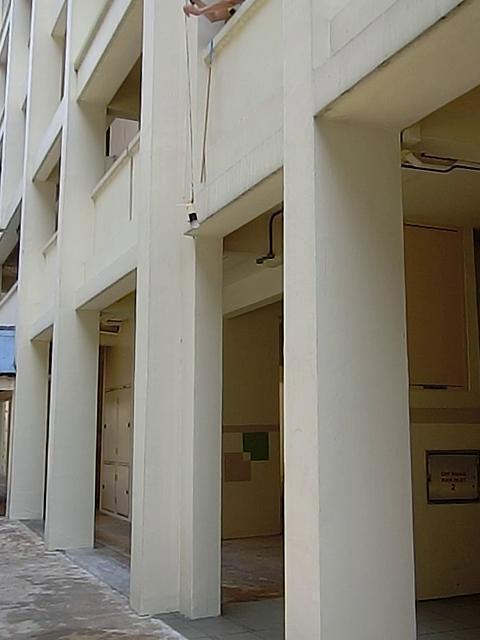
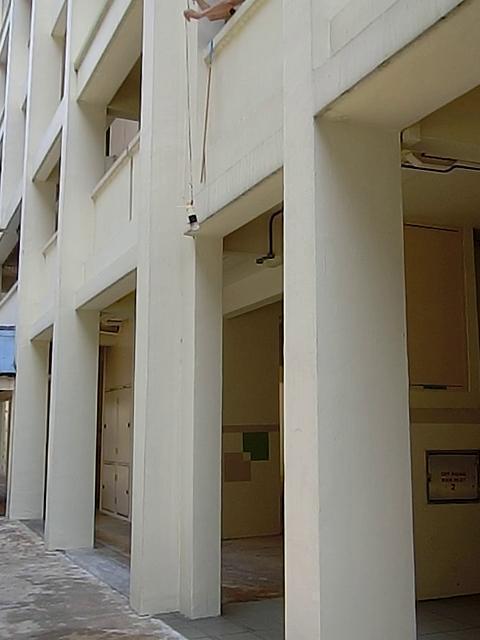
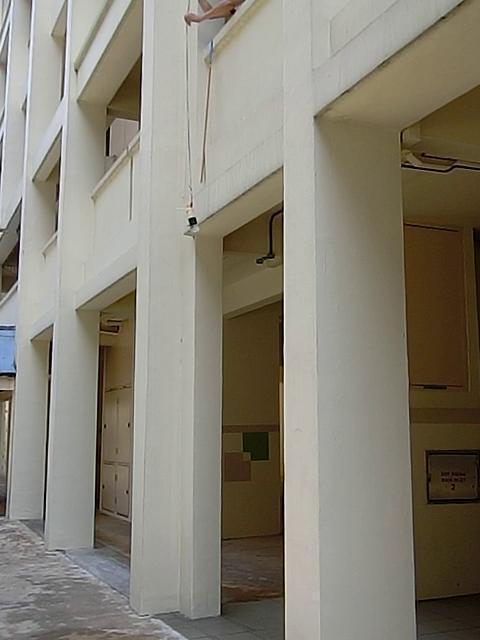
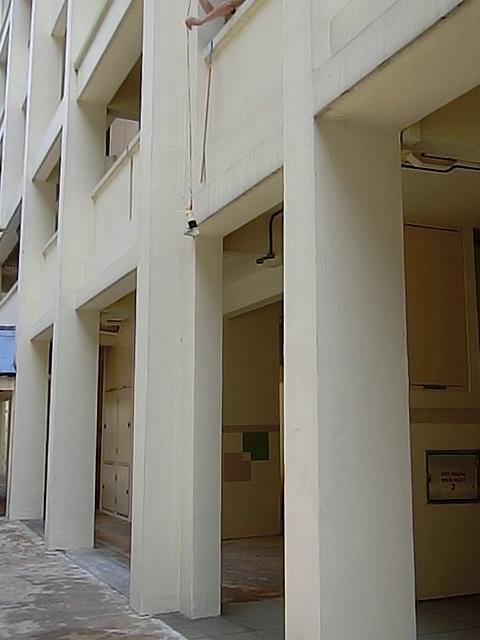

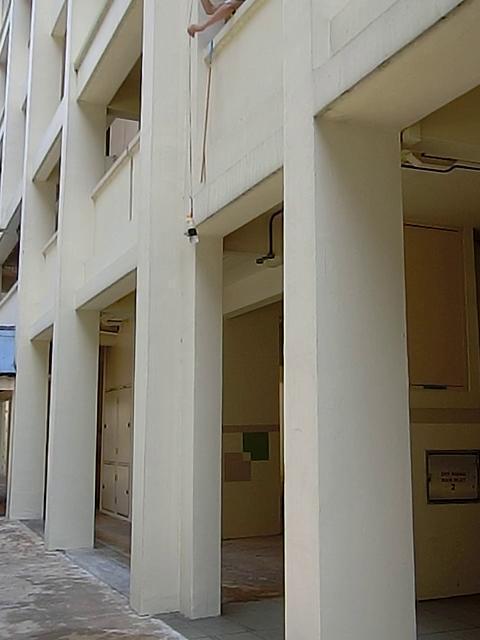
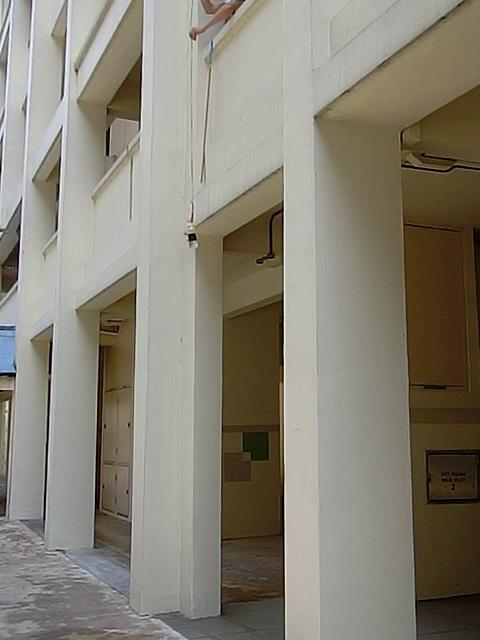
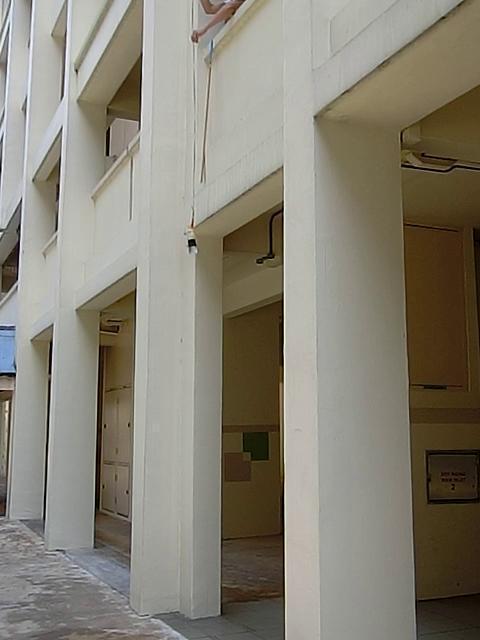
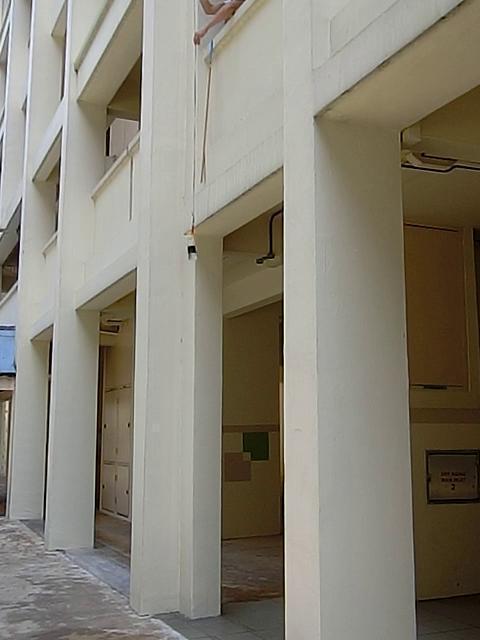



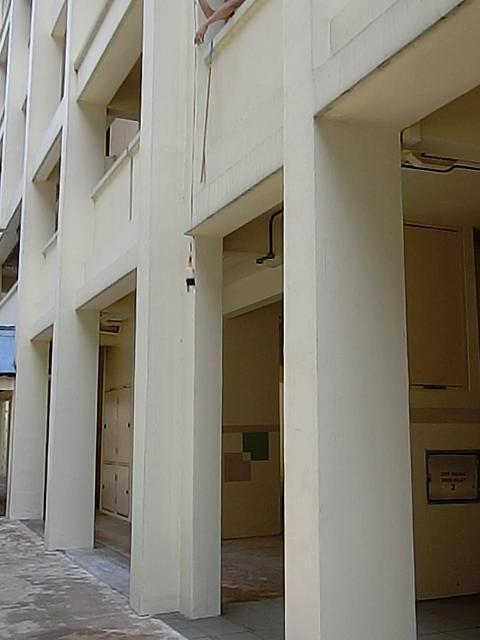

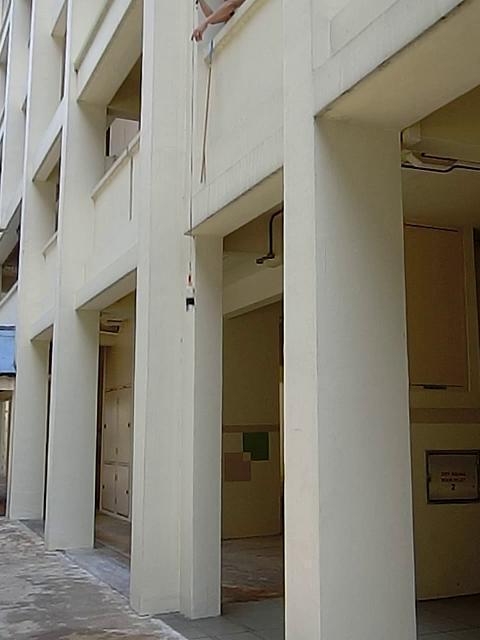
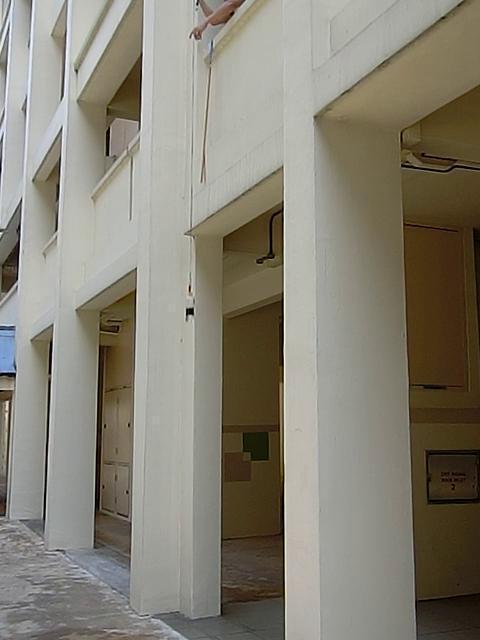
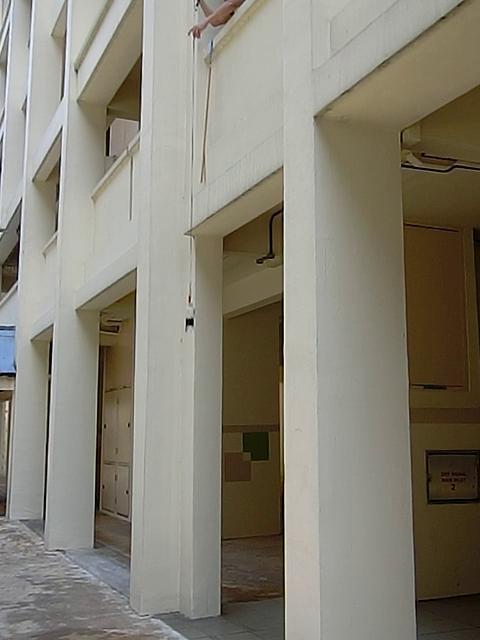
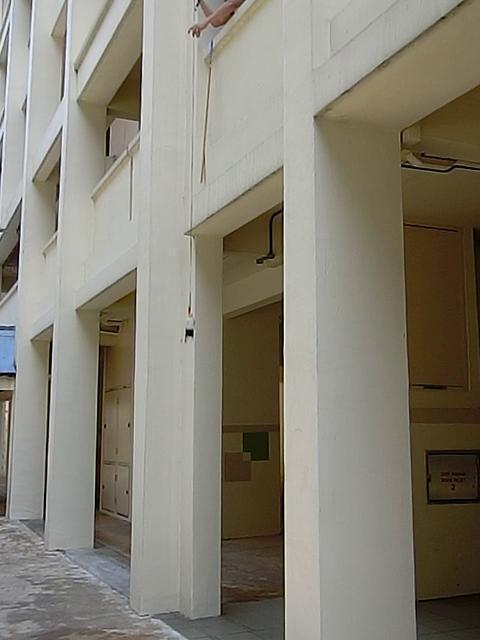

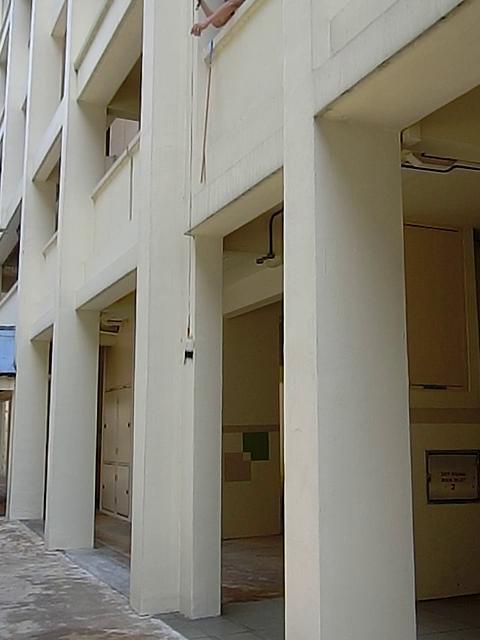
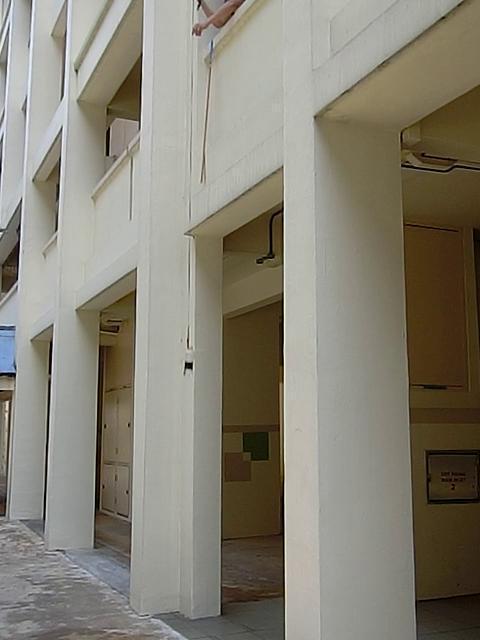

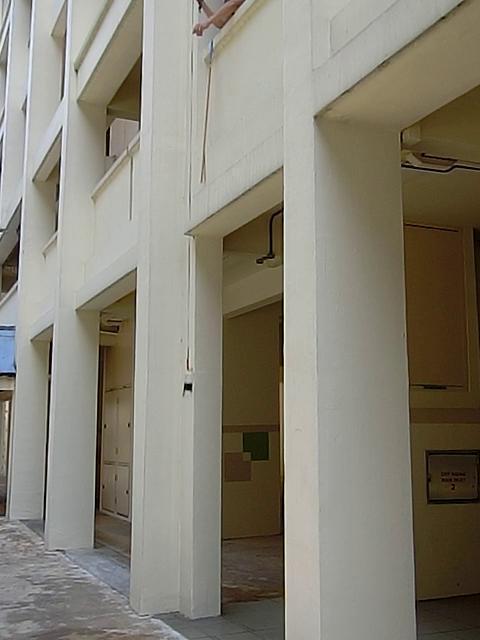
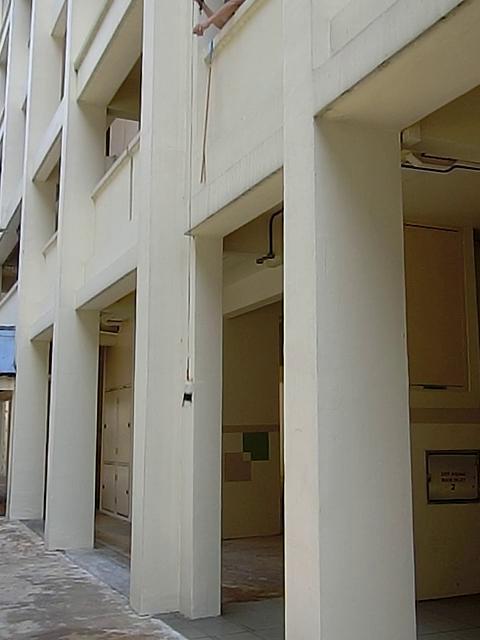
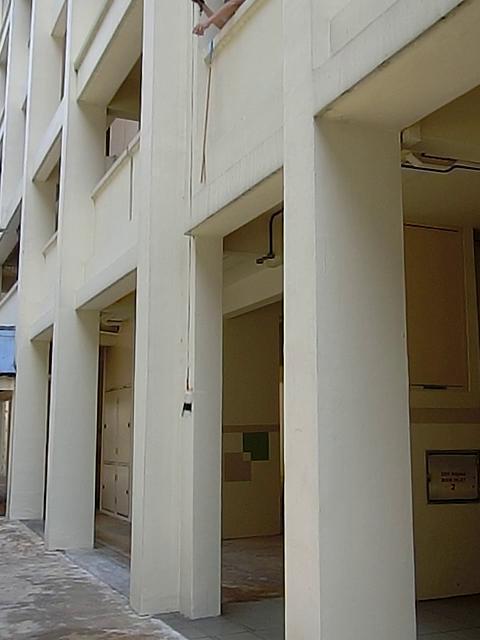
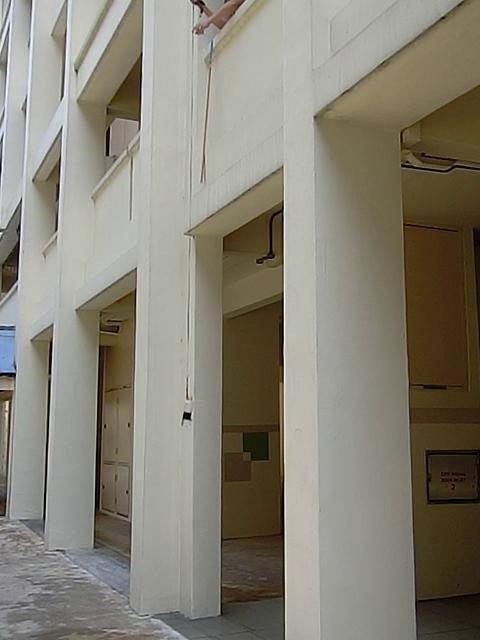
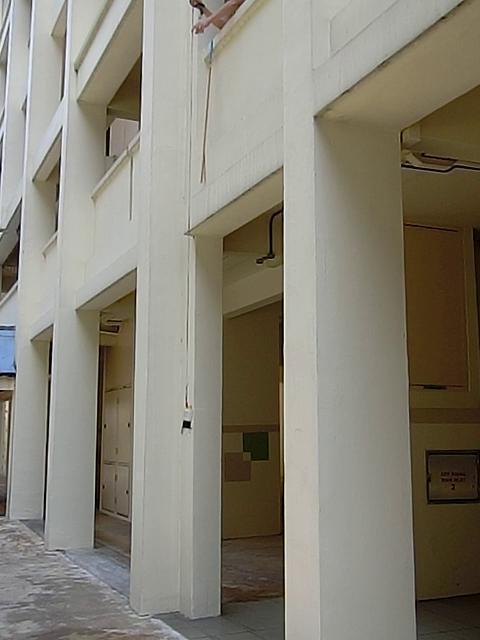
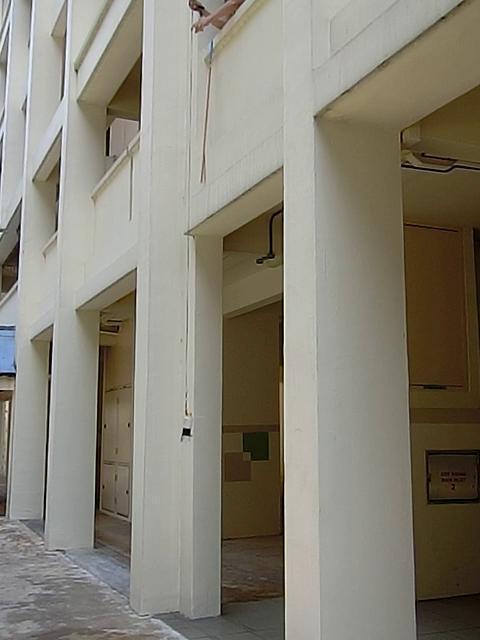
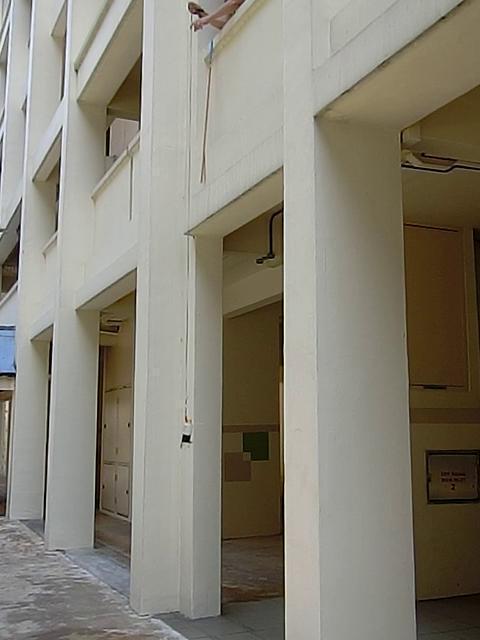
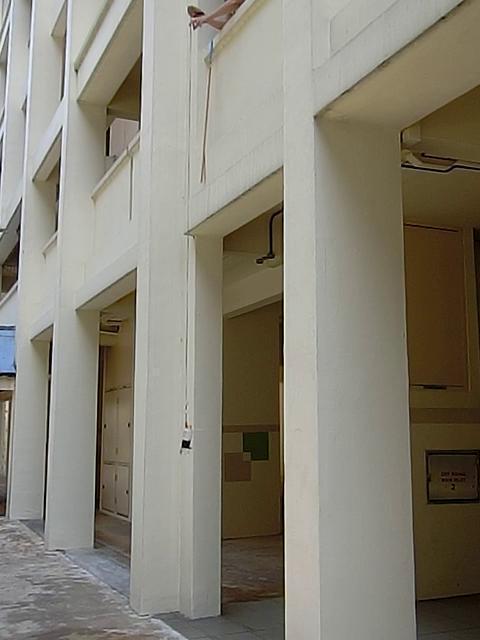
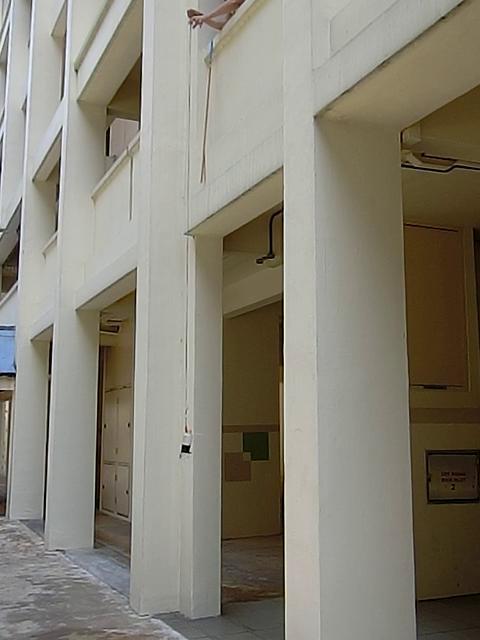
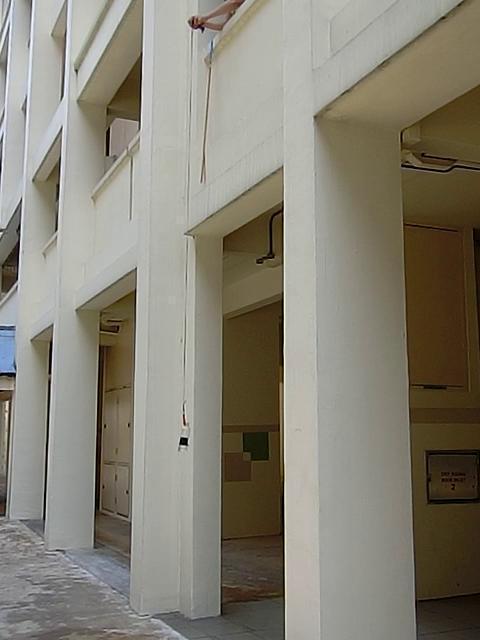
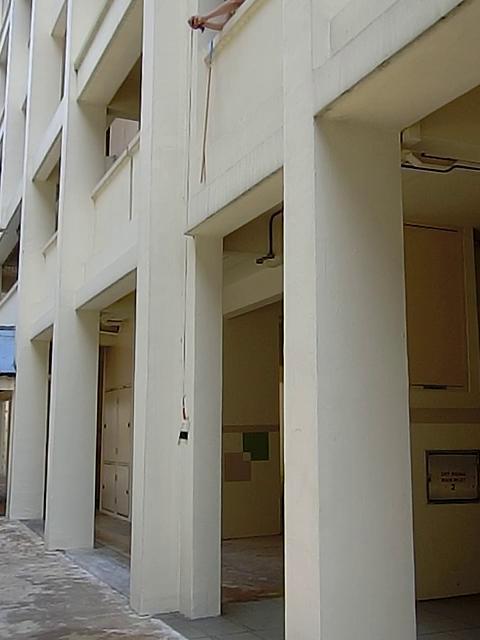
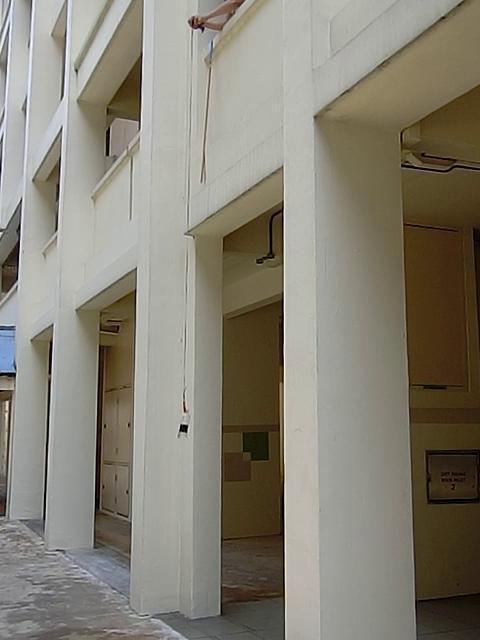
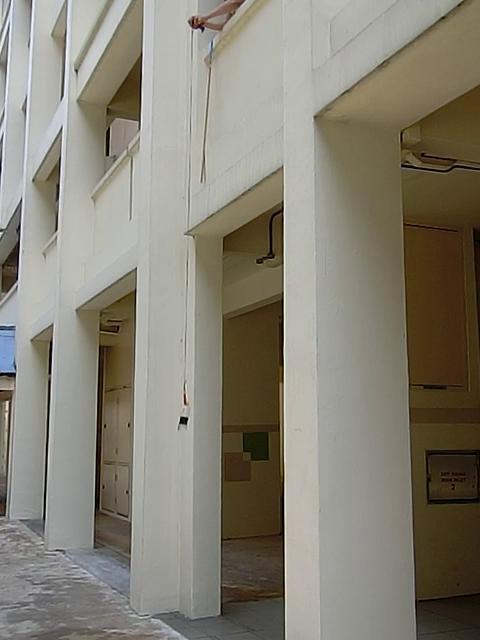
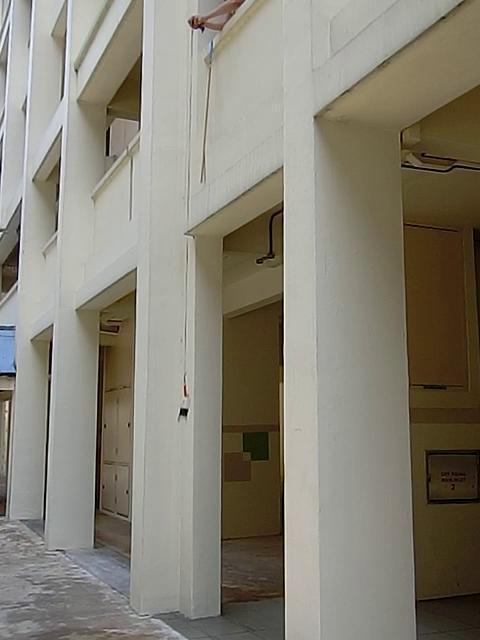
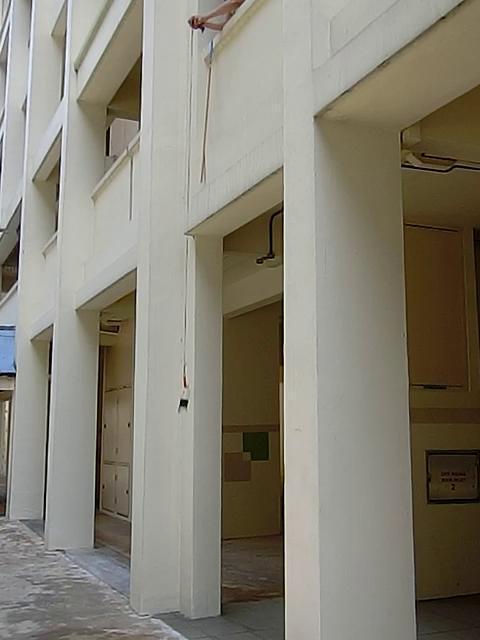
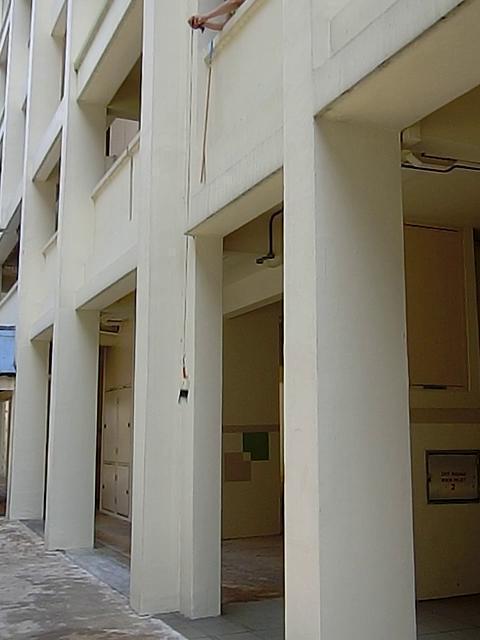
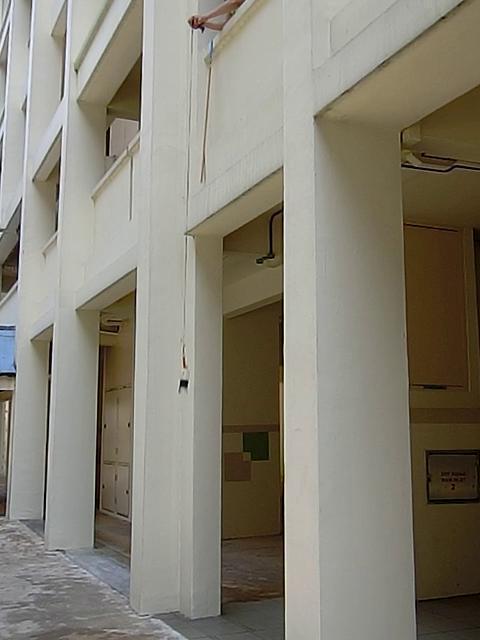

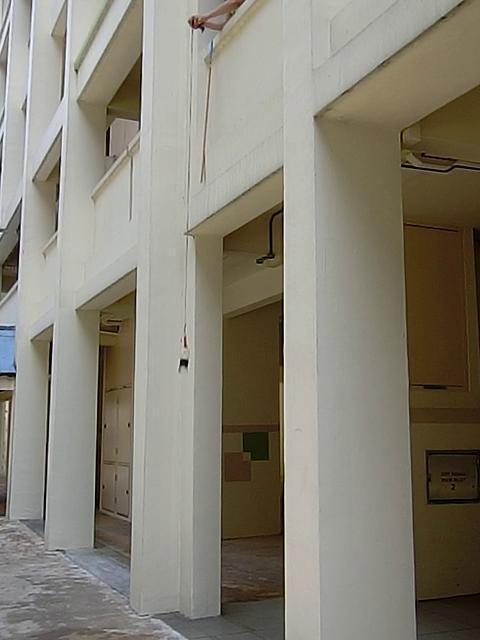
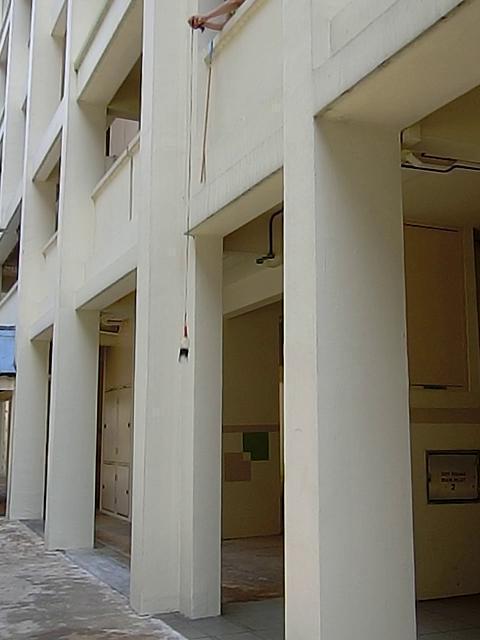
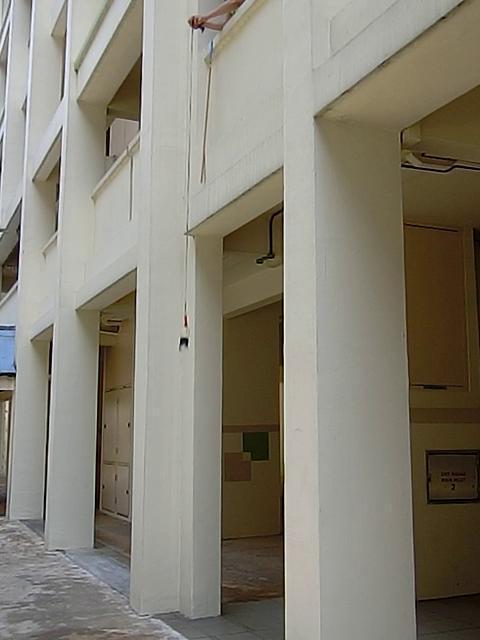
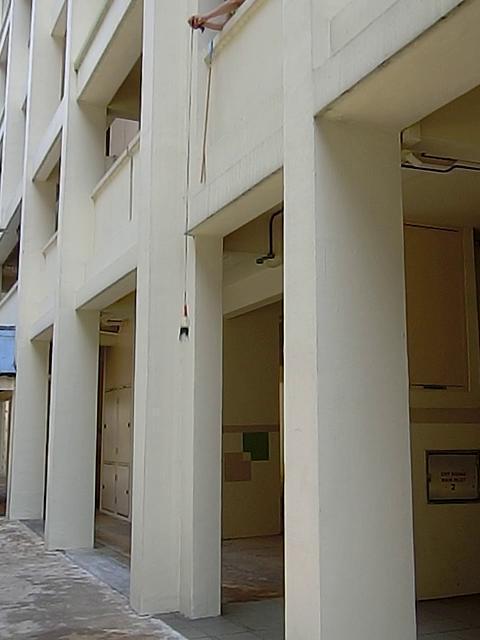
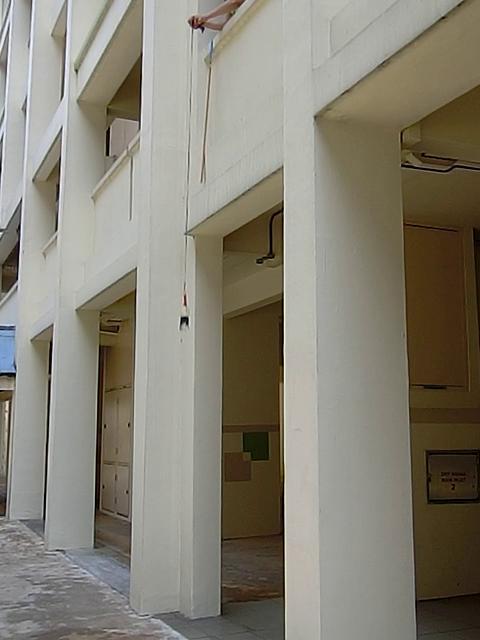
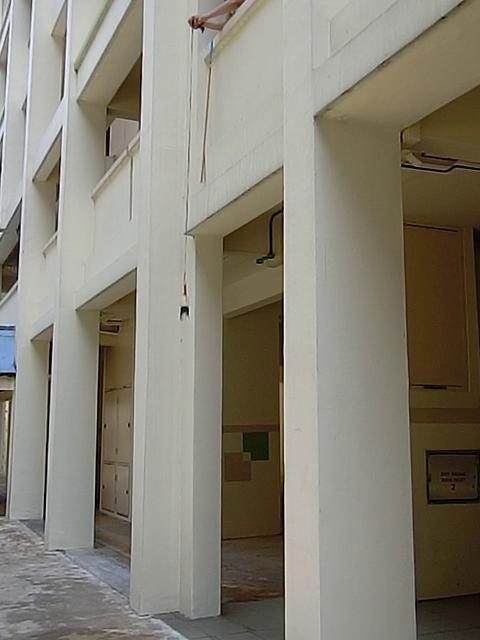
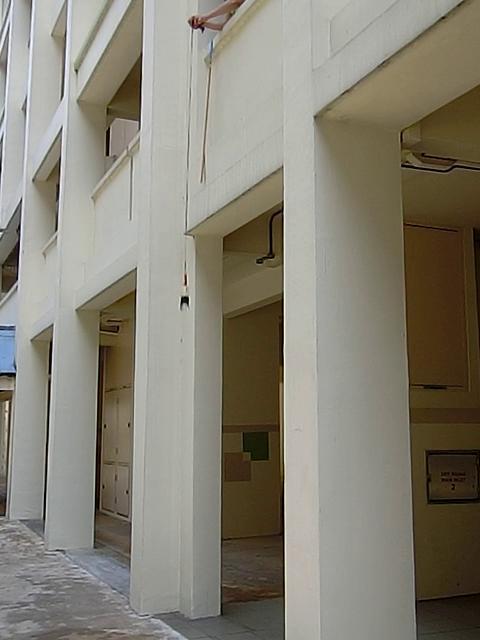
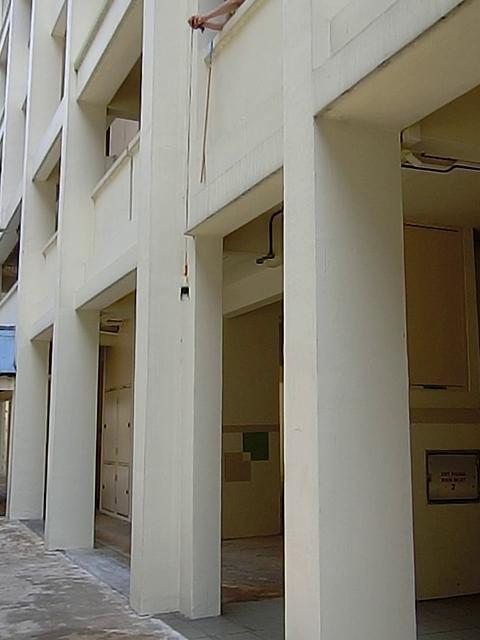

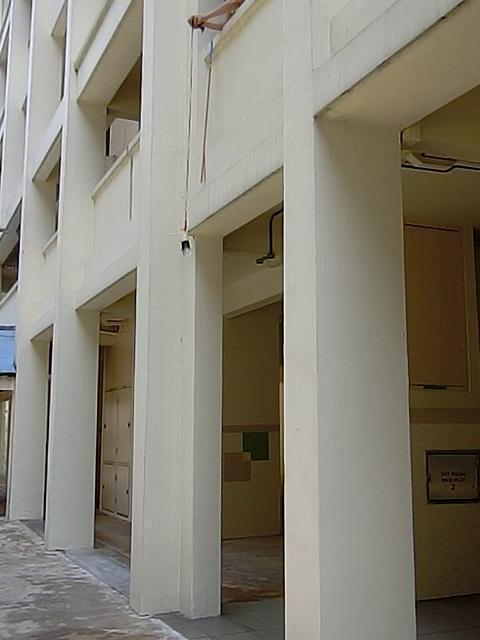

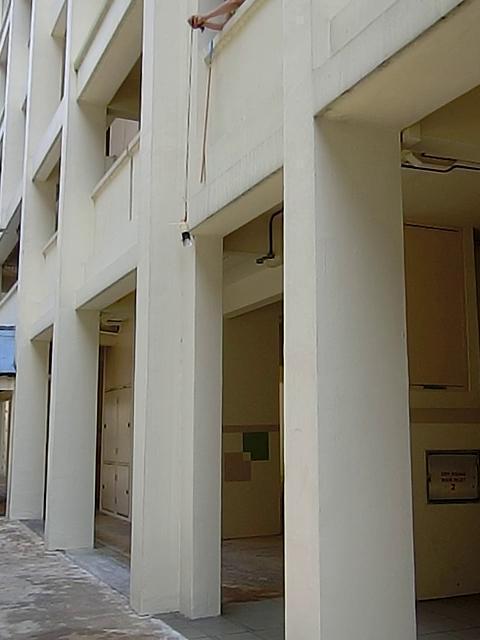
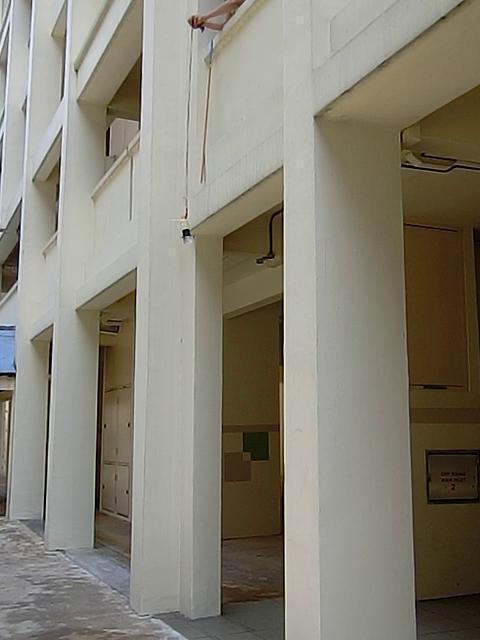
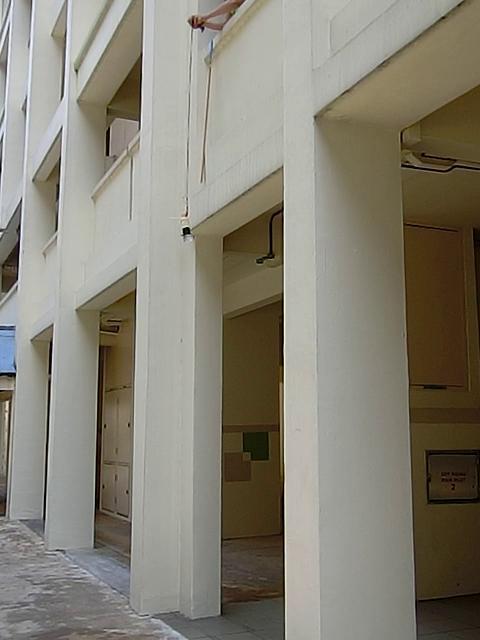
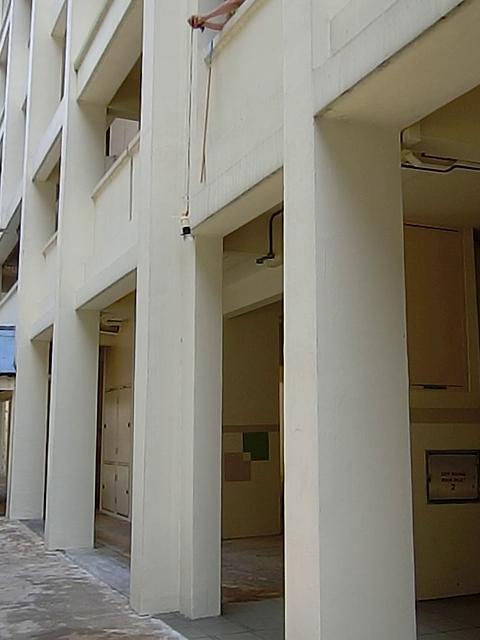

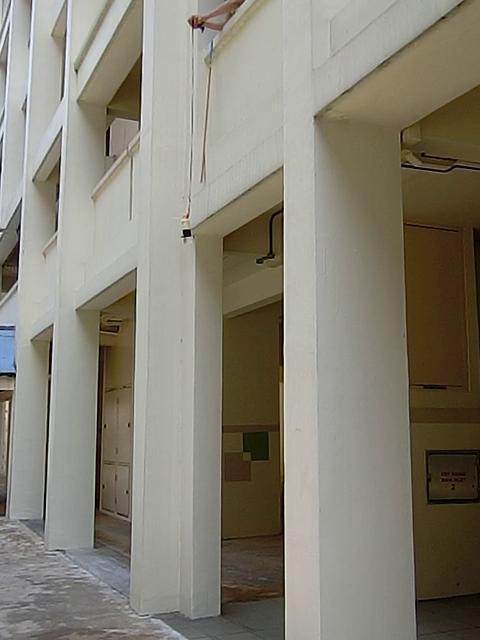

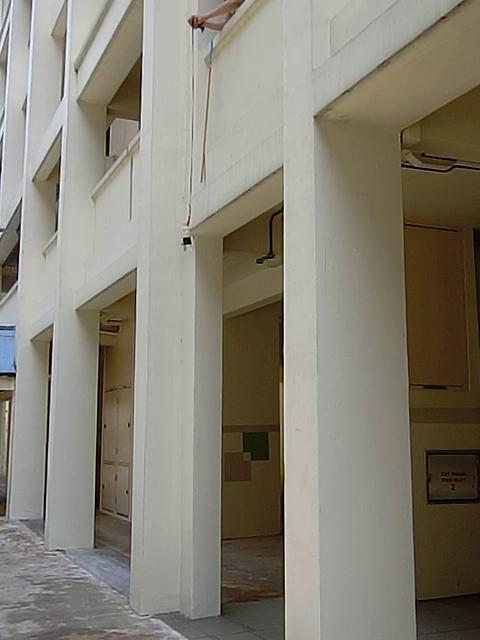
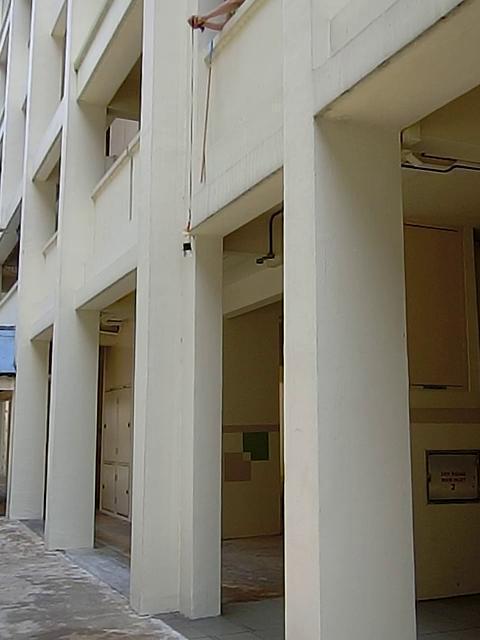
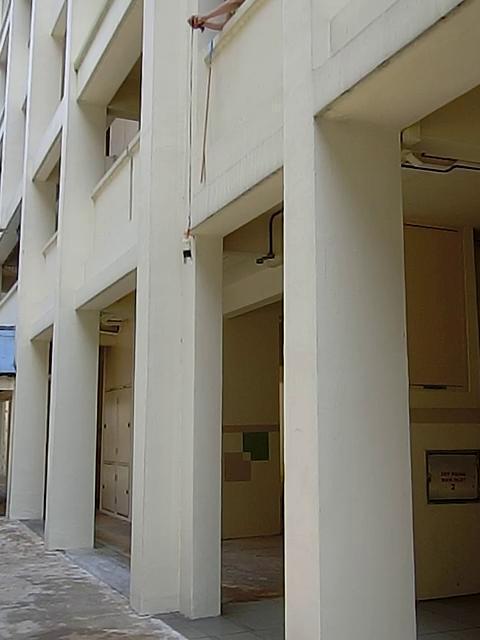

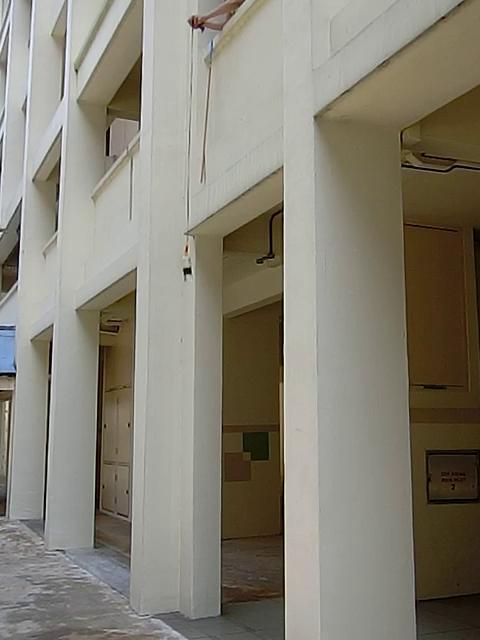

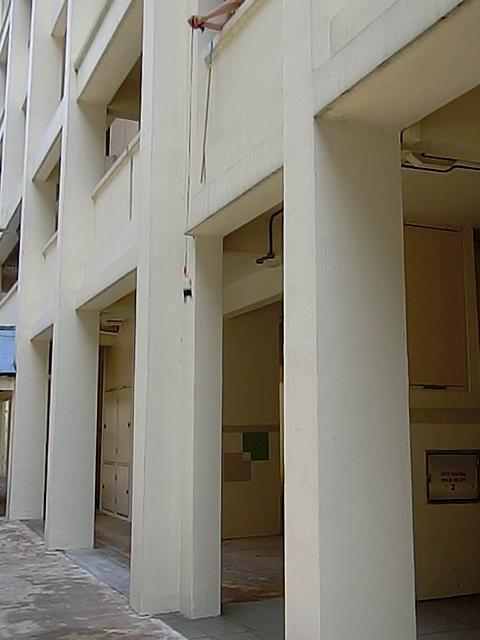

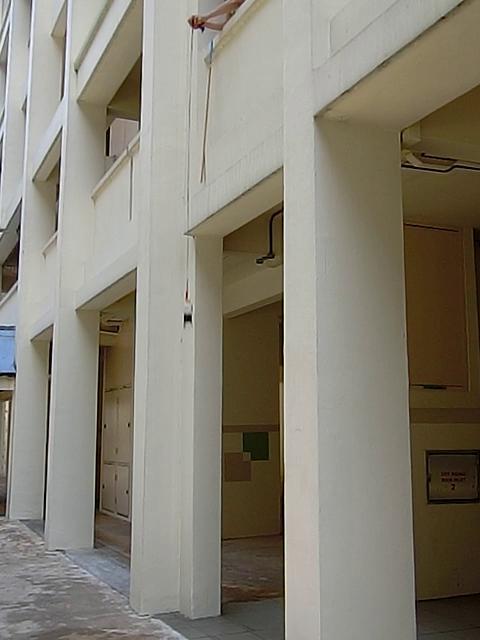
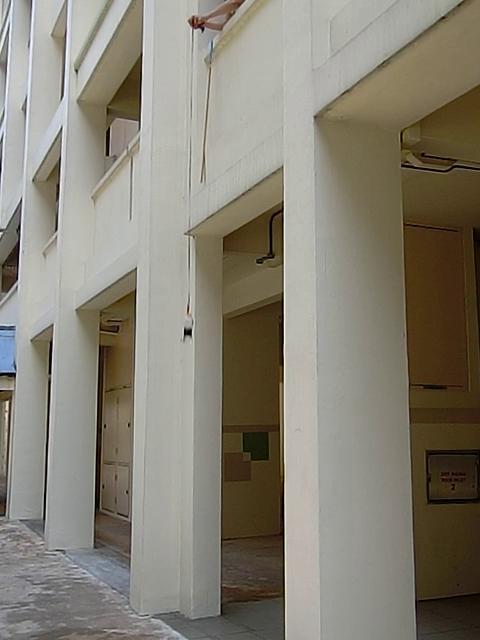
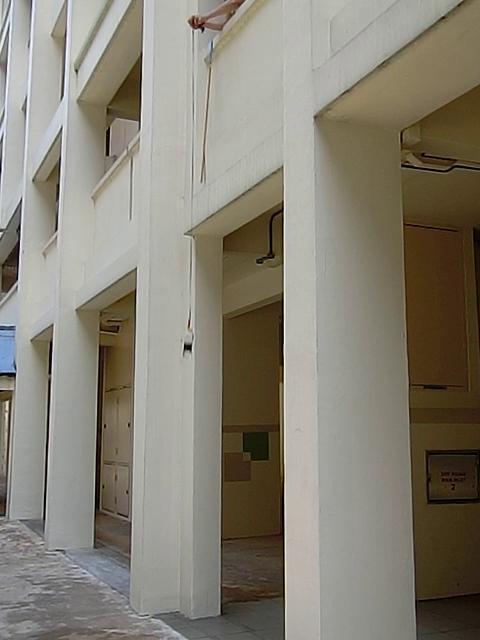
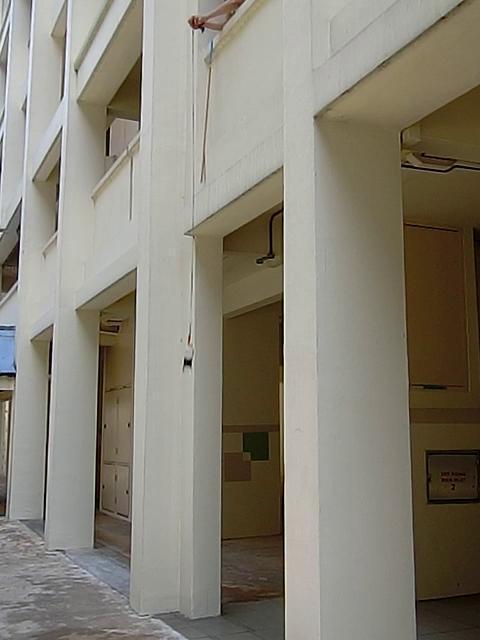
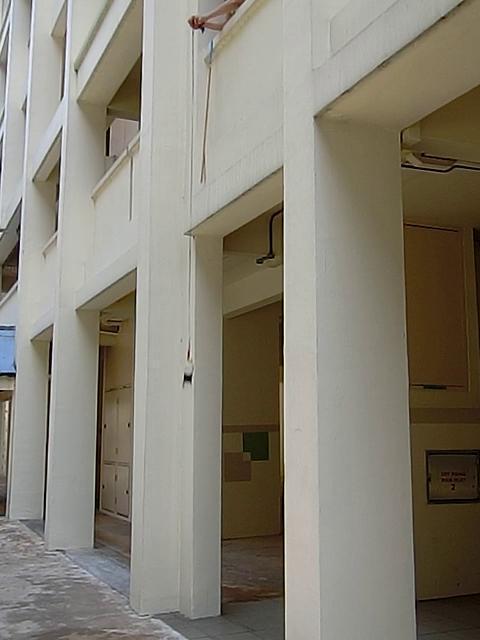
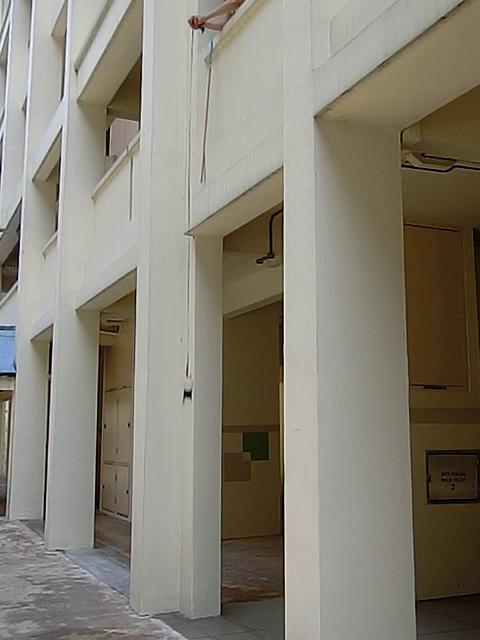
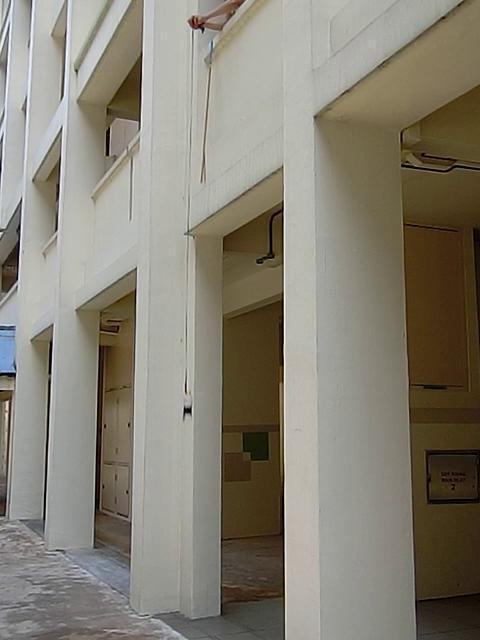
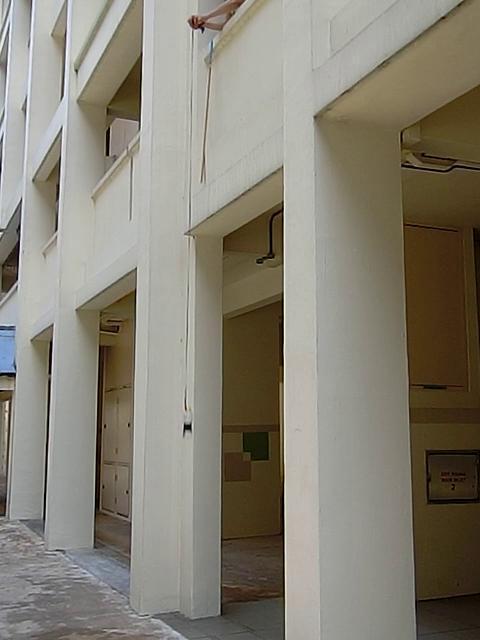
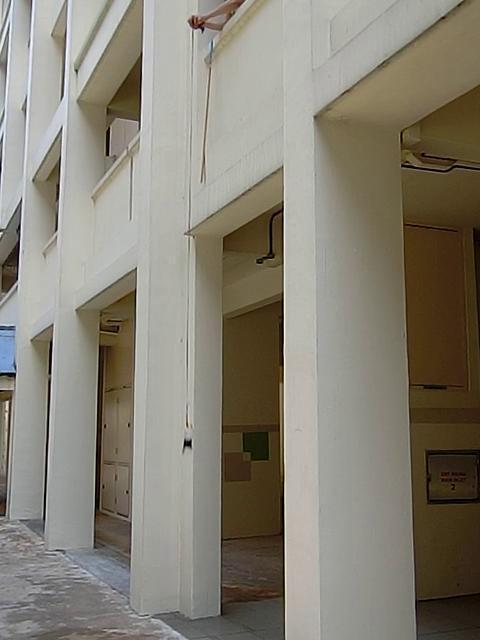
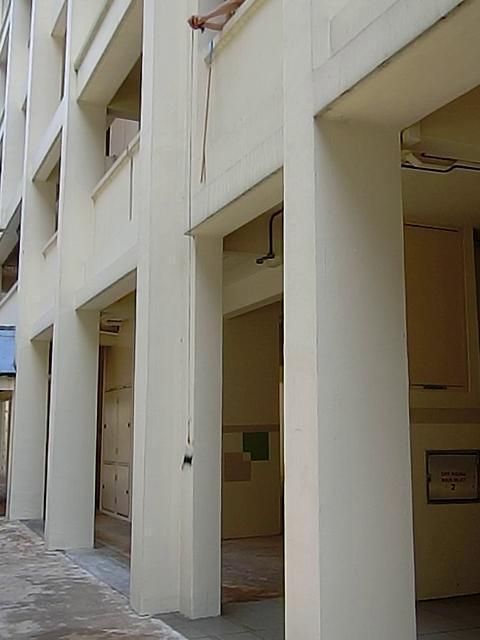
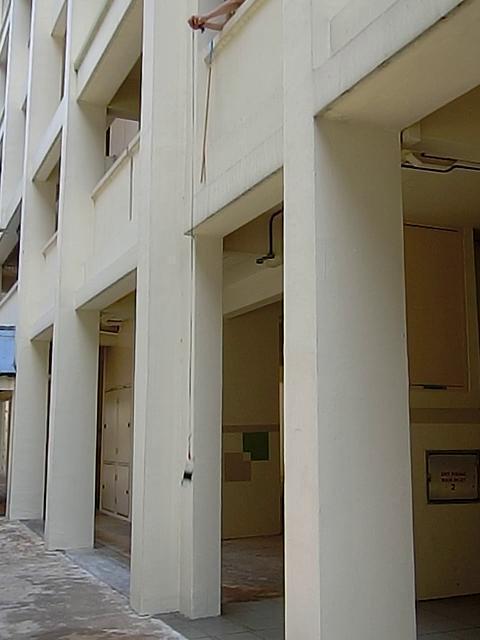
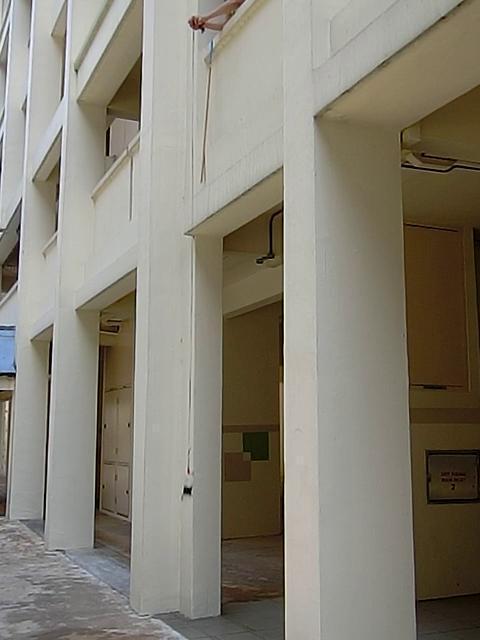
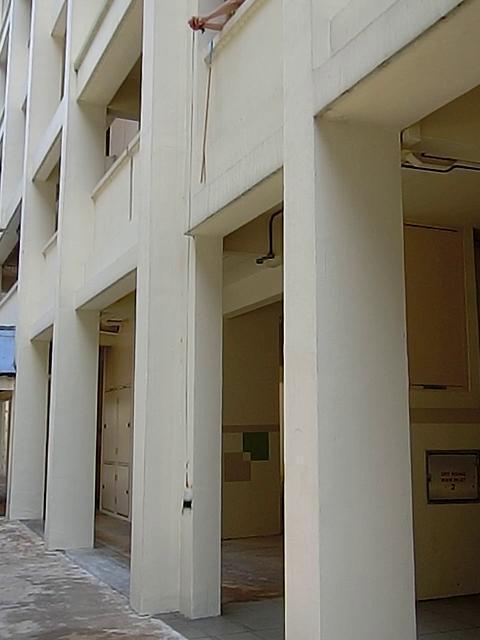


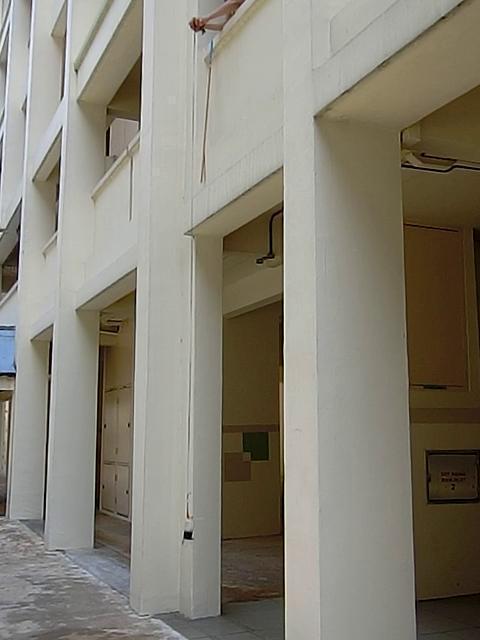
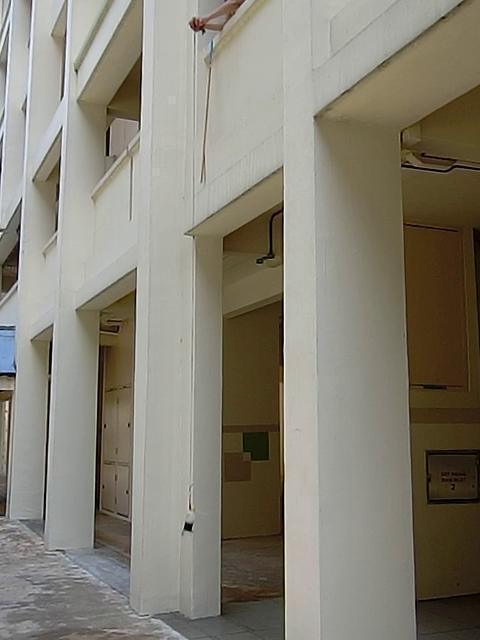


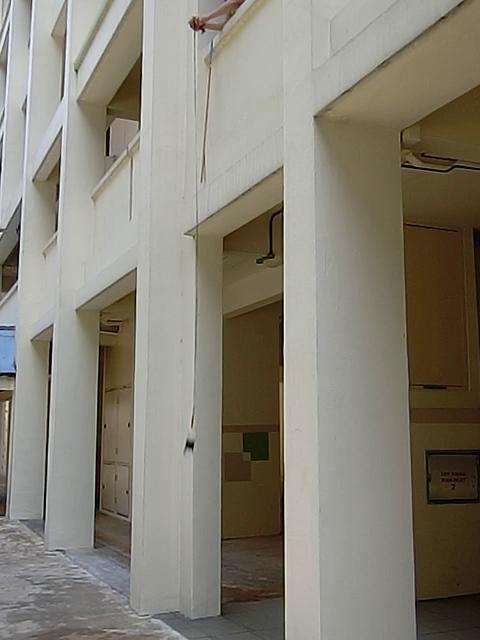
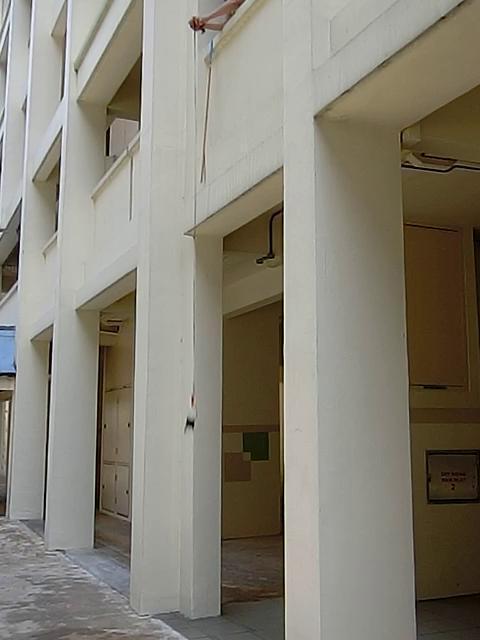
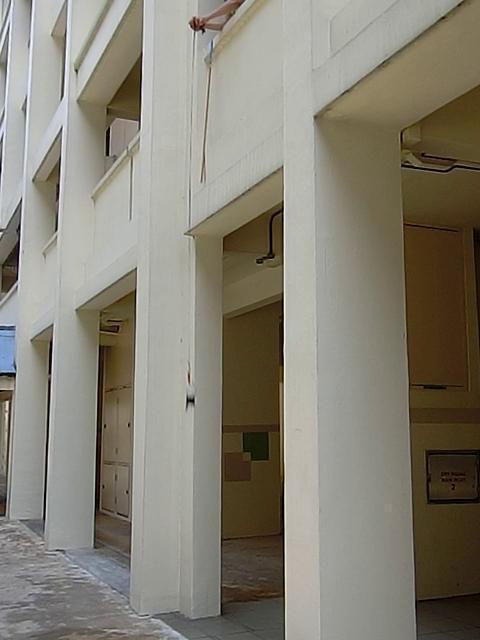
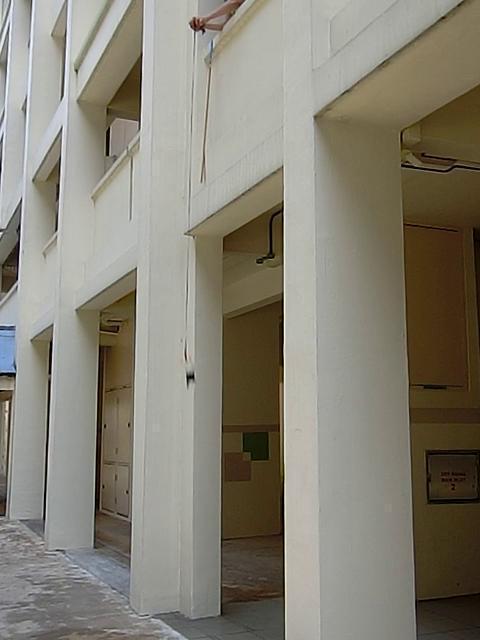

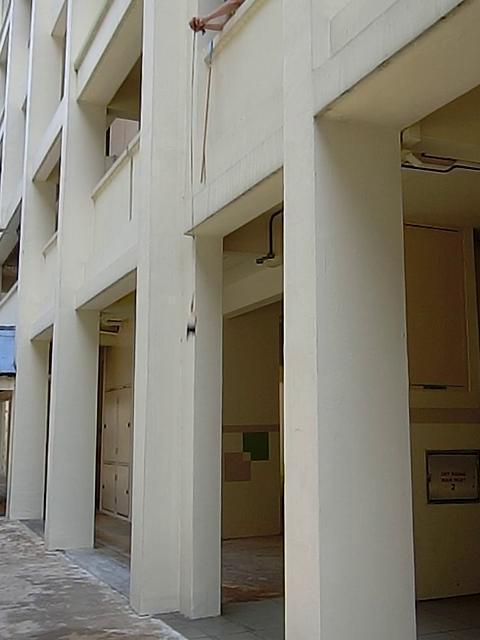
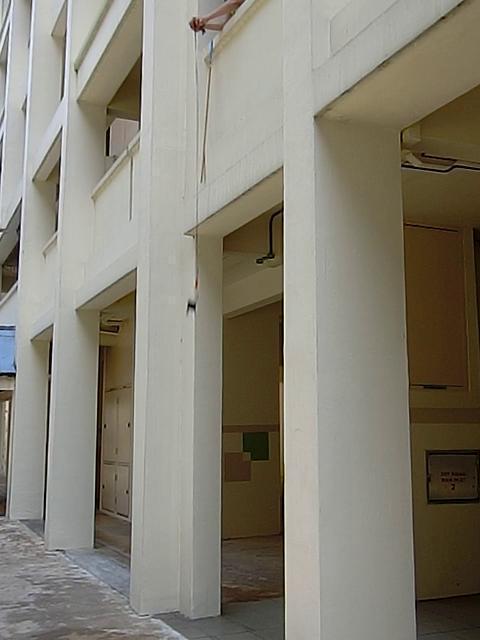

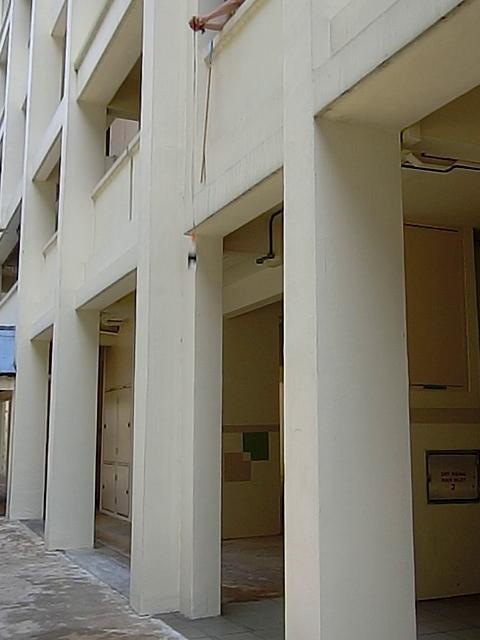
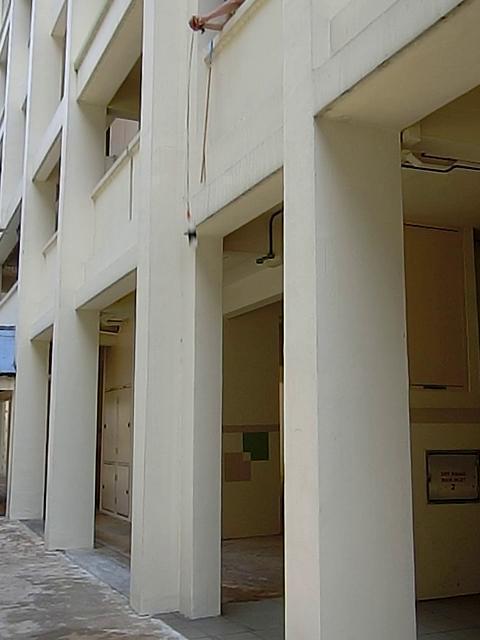
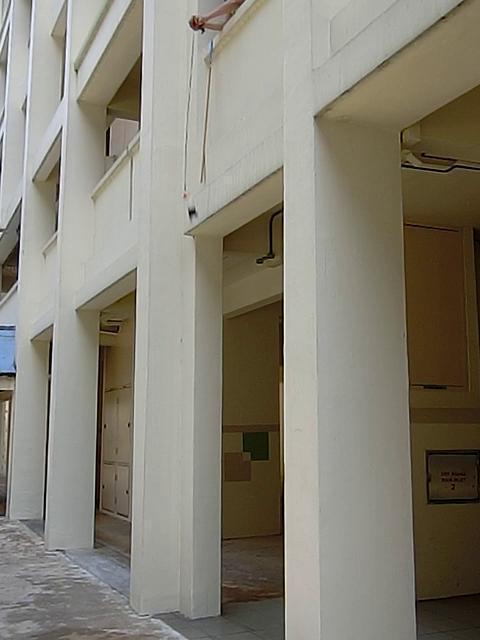
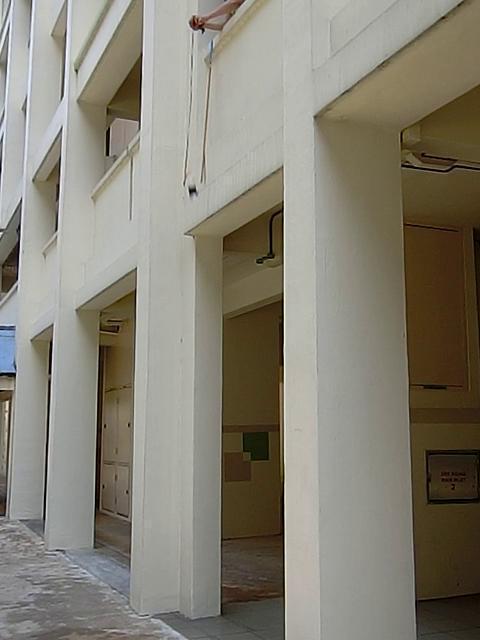





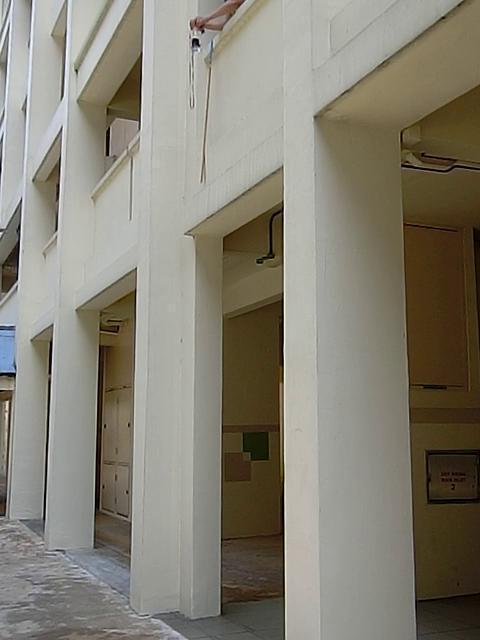
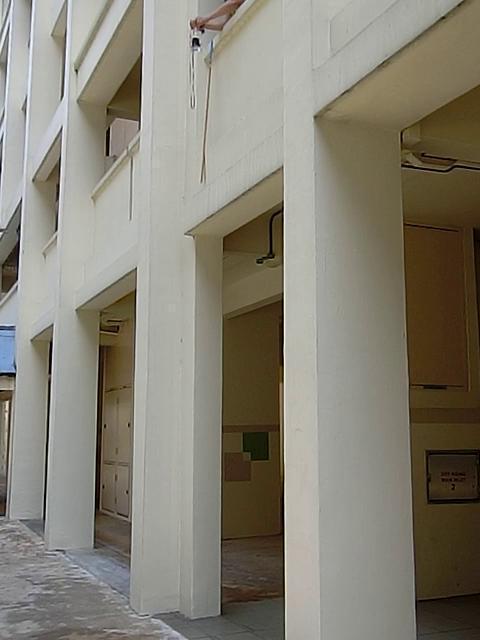
Credits
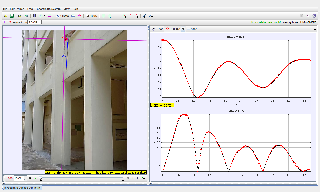
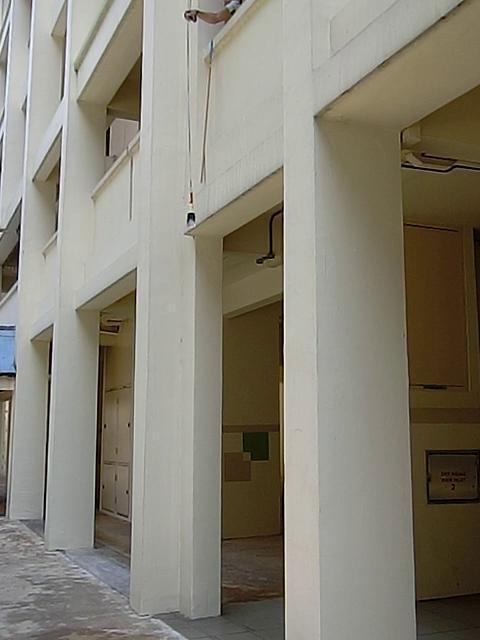
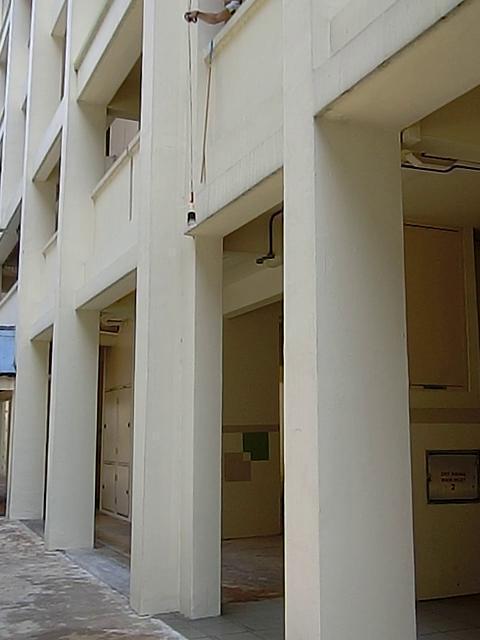
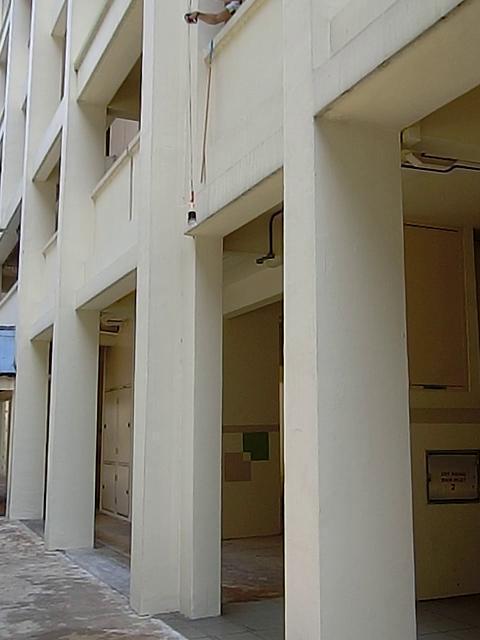
Title: "Investigating Bungee Jump Physics Using Tracker at Evergreen Secondary by Tan Kim Kia"
This document explores the physics behind bungee jumping using Tracker software, focusing on energy transformations, oscillatory motion, and forces acting on the jumper. The simulation and analysis provide insights into real-world applications and safety considerations for bungee jumping.
Study Guide:
Objective:
- Analyze the motion of a bungee jumper using kinematic and dynamic principles.
- Investigate energy conservation, damping, and elasticity in the bungee cord.
Key Concepts:
-
Gravitational Potential Energy (GPE):
- Energy stored due to the jumper’s height above the ground: \( GPE = mgh \).
-
Elastic Potential Energy (EPE):
- Energy stored in the stretched bungee cord: \( EPE = \frac{1}{2}kx^2 \), where kk is the cord's spring constant and xx is the extension.
-
Kinetic Energy (KE):
- Energy of motion: \( KE = \frac{1}{2}mv^2 \).
-
Damping:
- Energy lost due to air resistance and internal friction in the cord, reducing oscillation amplitude over time.
-
Oscillatory Motion:
- After the initial fall, the jumper oscillates between maximum stretch and equilibrium.
Experiment Overview:
-
Setup:
A simulation of a bungee jumper is created using Tracker software, representing the jumper’s mass, the cord’s properties, and the initial drop height. -
Procedure:
- Record the motion of a simulated or real bungee jump.
- Analyze key data points: time, velocity, displacement, and forces.
- Measure oscillation period, maximum extension, and energy changes.
-
Observation Points:
- Maximum cord extension.
- Oscillation frequency and damping rate.
- Energy transformation between GPE, KE, and EPE.
Questions to Consider:
-
How does the cord's elasticity affect the jump?
- Answer: A more elastic cord increases maximum extension and reduces abrupt forces, providing a smoother experience.
-
What determines the oscillation frequency?
- Answer: The mass of the jumper and the cord’s spring constant influence the frequency: \( f = \frac{1}{2\pi} \sqrt{\frac{k}{m}} \).
-
Why does the oscillation amplitude decrease over time?
- Answer: Damping due to air resistance and internal friction in the cord dissipates energy.
-
How can you calculate the spring constant of the bungee cord?
- Answer: Measure the force (jumper’s weight) and extension of the cord: \( k = \frac{F}{x} \).
-
What safety considerations are necessary for bungee jumping?
- Answer: Ensuring the cord’s length and elasticity match the jumper’s weight and drop height, avoiding overextension or collision with the ground.
Applications:
- Adventure Sports: Designing safe and thrilling bungee jumping experiences.
- Elastic Materials: Understanding the behavior of elastic cords in other applications.
- Physics Education: Demonstrating principles of energy conservation and oscillatory motion.
FAQ:
-
Why is this experiment significant?
- It applies physics principles to real-world scenarios, enhancing understanding of motion, forces, and energy.
-
Can this simulation be applied to other scenarios?
- Yes, the principles of oscillatory motion and energy transformations apply to trampolines, suspension bridges, and even biological systems like tendons.
-
How does Tracker software enhance this study?
- Tracker provides accurate measurements of position, velocity, and acceleration, allowing detailed motion analysis.
-
What factors influence the maximum extension of the bungee cord?
- Jumper’s mass, cord’s spring constant, and initial height.
-
How do you ensure safety in bungee jump designs?
- By calculating the cord’s properties to ensure it stretches within safe limits, considering the jumper’s weight and drop height.
- Details
- Written by Kimkia
- Parent Category: 04 Energy & Fields
- Category: 07 Energy Work Power
- Hits: 8987